Yes or No Tarot: How to Ask and Which Cards Say Yes or No
- Clear questions, honest answers, and the cards that lean one way or the other
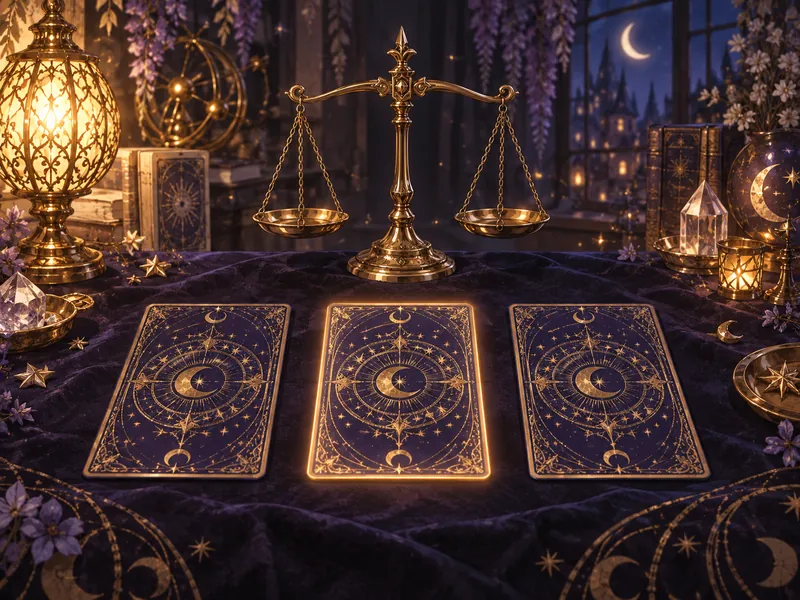
Yes or no tarot answers one clear question with a lean: draw one card for a quick answer, or three cards to see the reasons behind it. Upright cards such as The Sun, The Star and the Ace of Cups usually lean yes; cards such as The Tower, the Ten of Swords and the Three of Swords usually lean no; and cards such as The Hanged Man and The Moon mean “not yet” or “unclear.” It works best for a question about your own action with a time frame, not for predicting someone else’s choices.
Here’s how to tell a good yes or no question from a weak one, how to phrase it, and how to read the cards that most often lean yes, no or “not yet.”
What yes or no tarot is good for, and what it isn’t
It works well for:
- A gut check on a decision you’re already weighing, such as whether to apply for a role or book a weekend away.
- Timing your own actions, like whether this is a good week to raise a difficult topic.
- Noticing how you really feel. If you feel relief when a no appears, that reaction is an answer in itself.
It works poorly for:
- Predicting other people’s choices. The cards can describe tendencies, but everyone involved still has free will.
- Health, legal or money decisions. Those belong with a qualified professional, not a single card.
- Big, tangled questions with many moving parts, which need a spread rather than a binary answer.
Think of a yes or no reading as a lean, not a verdict. The card shows which way things seem to be flowing if nothing changes.
How to phrase a yes or no question
Good yes or no questions share three features: one clear question, a time frame, and your own action at the center. Compare these:
- Vague: “Will I be happy?” Clearer: “Would taking this job offer be a good step for me this year?”
- Vague: “Will they text me?” Clearer: “Is reaching out to them this week a good idea for me?”
- Vague: “Should I stay, quit or ask for a raise?” Clearer: “Is this month a good time for me to ask for a raise?”
- Vague: “Will everything work out?” Clearer: “Is focusing on my portfolio for the next three months a good use of my energy?”
Questions about your own action give you something to do with the answer. Questions about someone else’s choices ask the cards to override that person’s free will, which no reading can do.
The time frame matters too. A reading describes the current flow of a situation, so “this month” or “before the summer” gives the card something to work with, while “ever” doesn’t.
If your question is really “A or B?”, a yes or no draw forces you to split it into two separate questions. The two options spread is built for comparing two paths side by side.
One card or three cards?
The free yes or no tarot reading on this site offers both.
- One card gives a quick hint. It suits simple, low-stakes questions and moments when you just want a nudge.
- Three cards show the reasons and cautions behind the answer. Use them when the decision matters, or when a single card feels too blunt to act on.
If you read three cards yourself, look at the overall balance first. Two cards leaning yes and one leaning no often reads as “yes, but watch this,” and the no card tells you what to watch.
Cards that lean yes
These cards often lean toward yes. As always, the question, the position and the other cards can change the tone.
- The Sun: a warm, clear yes; things are likely to feel lighter and more open.
- The Star: yes, with hope, though progress may be gradual rather than instant.
- The World: yes; a cycle is completing and the goal looks within reach.
- The Magician: yes, if you act; you have the skills and tools you need.
- The Empress: yes; growth that comes from patience and care.
- Ace of Cups: yes, especially for emotional questions; a new feeling or opening.
- Ace of Pentacles: yes for practical questions; a real, tangible opportunity.
- Six of Wands: yes; progress and recognition for your effort.
- Ten of Cups: yes; emotional fulfillment and harmony at home or in love.
- Nine of Cups: yes; often called the wish card, it points to satisfaction with what you asked for.
Cards that lean no
A card that leans no is information, not a punishment. It often means “not this way” or “not right now,” which is worth knowing before you invest more time or hope.
- The Tower: no, or not in the form you imagine; the plan may need to be rebuilt.
- Ten of Swords: no; this path looks as if it has run its course.
- Three of Swords: no; this direction may bring hurt or a painful truth.
- Nine of Swords: no, or at least not while anxiety is doing the asking.
- Five of Pentacles: no for now; support or resources look thin.
- Five of Cups: no; the focus is on loss, though not everything is gone.
- Eight of Swords: no as things stand, though you may be less trapped than you feel.
- Seven of Swords: no; something is not fully out in the open yet.
Not yet, unclear, and how reversals shift the answer
Some cards don’t lean either way. They say “wait,” “look closer” or “it depends.”
- The Hanged Man: not yet; a pause or a fresh perspective is needed first.
- Two of Swords: undecided; you may need more information, or to face a choice you’ve been avoiding.
- The Moon: unclear; key facts are hidden, or feelings are clouding the picture.
- Seven of Cups: unclear; too many options or some wishful thinking, so narrow the question.
- Four of Swords: not now; rest and recover before you act.
- Wheel of Fortune: depends on timing; circumstances are shifting and could turn either way.
When one of these appears, the card itself is the answer. Redrawing to force a clearer one usually just adds noise.
Most of the deck sits somewhere in between. When you draw a card that isn’t on any of these lists, including most court cards, read it as advice about how to proceed rather than whether to. The Page of Cups might suggest approaching the matter with curiosity, while the King of Pentacles points to a steady, practical approach.
Reversed cards rarely flip a yes into a clean no. A useful rule of thumb: a reversed yes card often becomes “yes, but slower” or “yes, with obstacles.” A reversed no card can soften the no, suggesting the worst may be passing or recovery is starting, as a reversed Ten of Swords often does. A reversed “not yet” card can mean things are beginning to move, or that the delay is partly self-made. For a deeper look, see the guide to reading reversed cards.
What not to ask, and why not to repeat the question
A few kinds of questions don’t suit yes or no tarot at all:
- Questions about someone else’s private choices, such as whether they will end their relationship.
- Medical, legal or financial decisions, which need professional advice.
- Deep values questions, like whether to have children or change careers entirely, which deserve time and a fuller spread.
- The same question you asked an hour ago.
That last one matters most. Drawing again and again until you get the answer you want doesn’t make the reading more accurate. It usually produces contradictory cards and more anxiety. If the answer feels unclear, sit with it for a few days, or wait until something in the situation actually changes. If you need more detail, a three-card draw or a follow-up question about the same cards will tell you more than a fresh draw.
One clear question, one honest answer, then some time to let it land.
Frequently asked questions
Are tarot cards always accurate?
No. Tarot cards are not always accurate and cannot predict events with certainty; a yes or no card shows a lean, not a verdict. The answer is most useful for a clear question about your own action, checked against what actually happens.
What not to ask tarot cards?
Don’t ask tarot about medical, legal or financial decisions, other people’s private choices, or the same question you asked an hour ago. Those questions need a professional, belong to someone else, or only add noise when repeated.
What is the luckiest card in the tarot?
The Sun is usually called the luckiest tarot card, because it is the clearest yes in the deck. The Nine of Cups, known as the wish card, and the Wheel of Fortune, the card of good timing, are the other usual answers.
Does the Wheel of Fortune card mean yes or no in love?
In love, the Wheel of Fortune usually leans yes, with the condition that timing matters more than effort. Reversed, it leans toward “not yet”: a delay or a cycle that has to finish first.
What tarot card is the most feared?
Death and The Tower are the most feared cards. In a yes or no reading, The Tower usually leans no or “not in the form you imagine”, while Death points to an ending that makes room for something new rather than a literal death.