
Tarot Card Meanings
All 78 cards, one page each: what the card means upright and reversed, what it says about love and about how someone feels, what it means for work and money, and whether it leans yes or no.
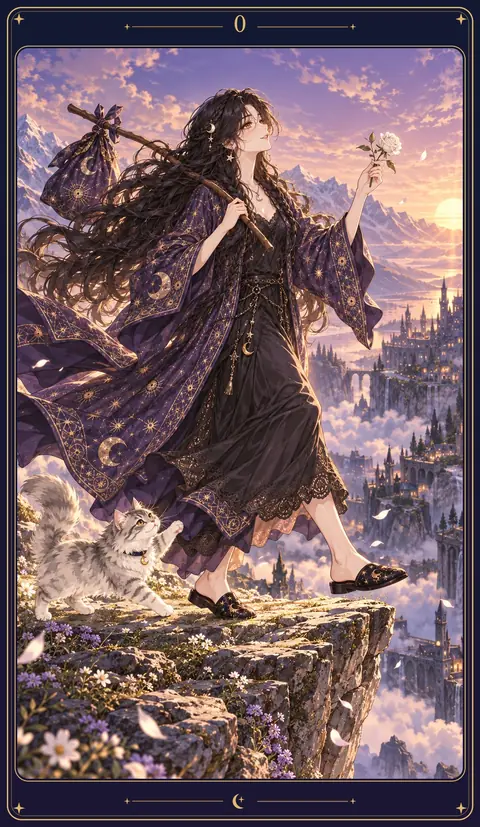
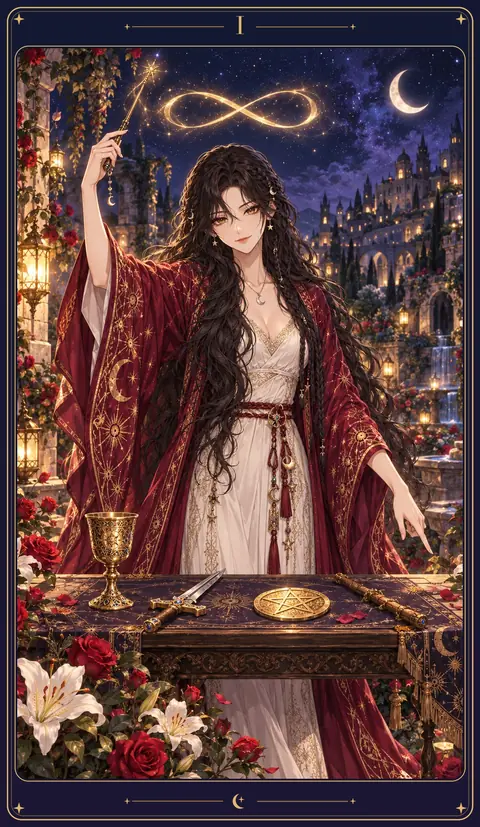
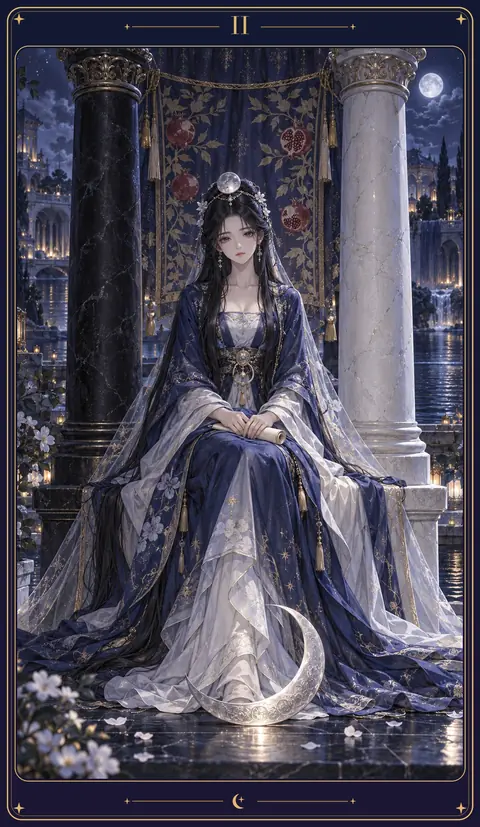
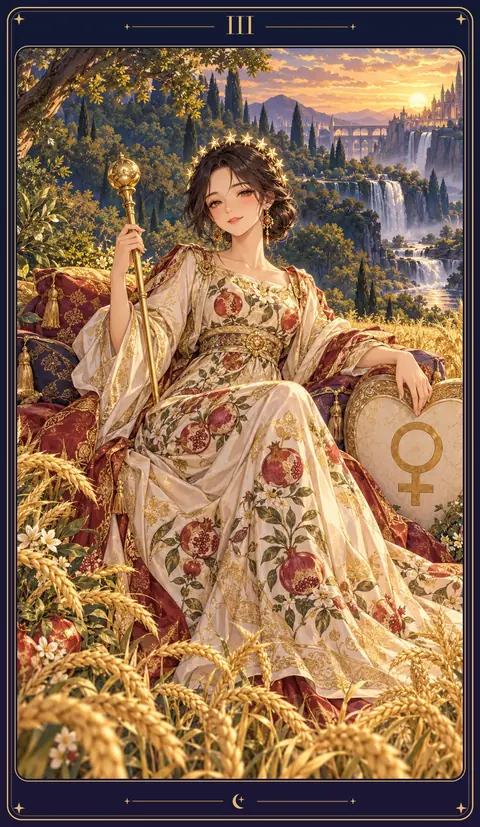
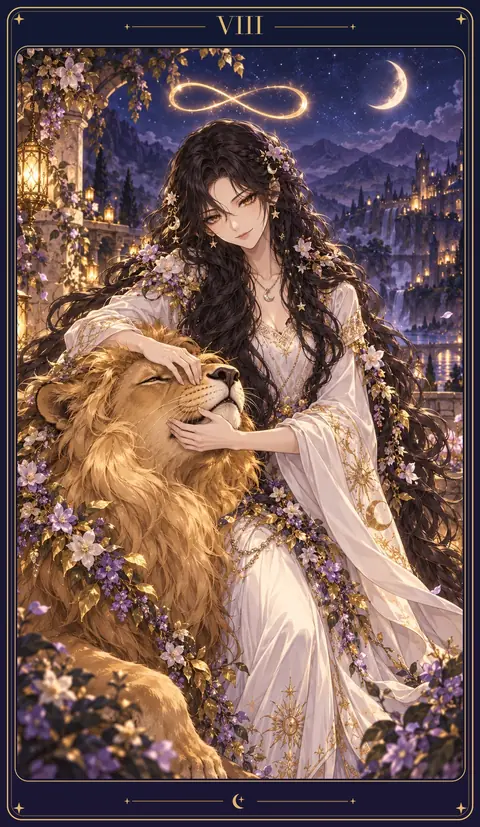
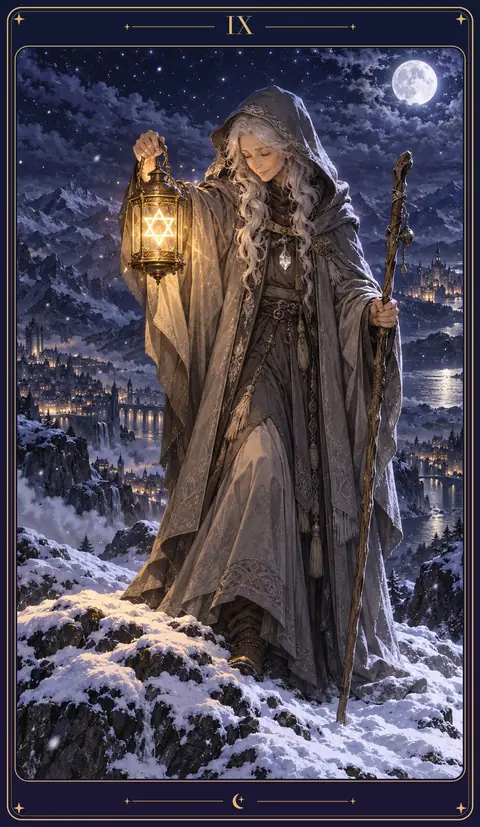
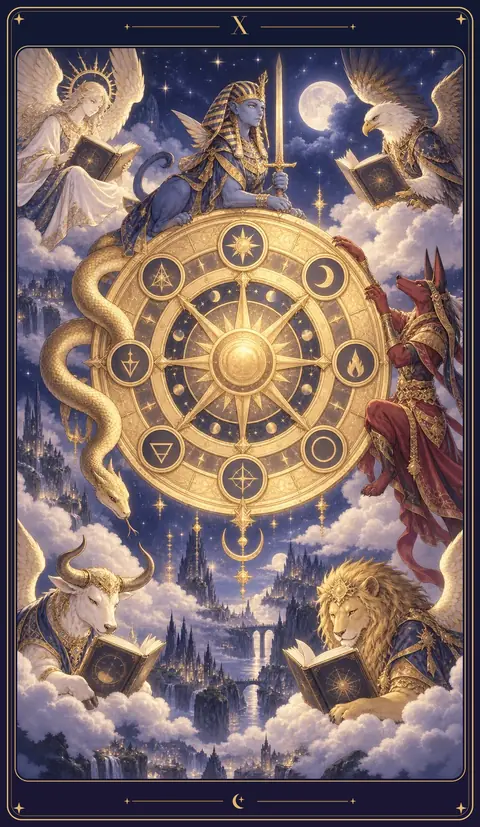
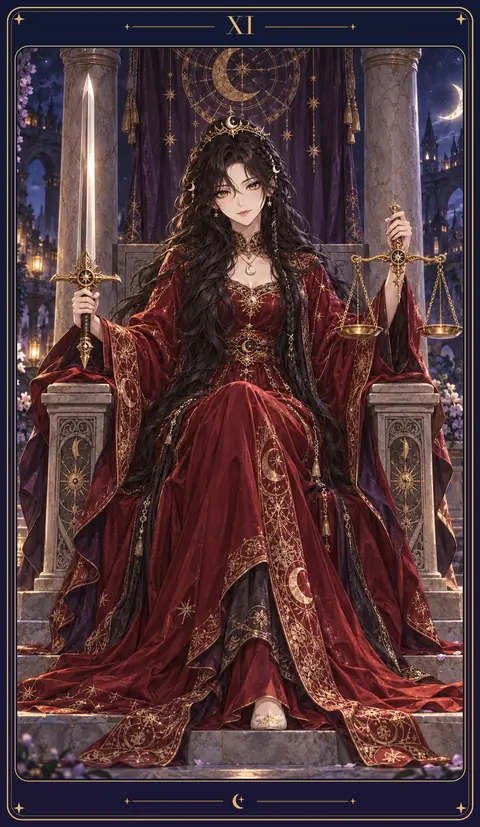
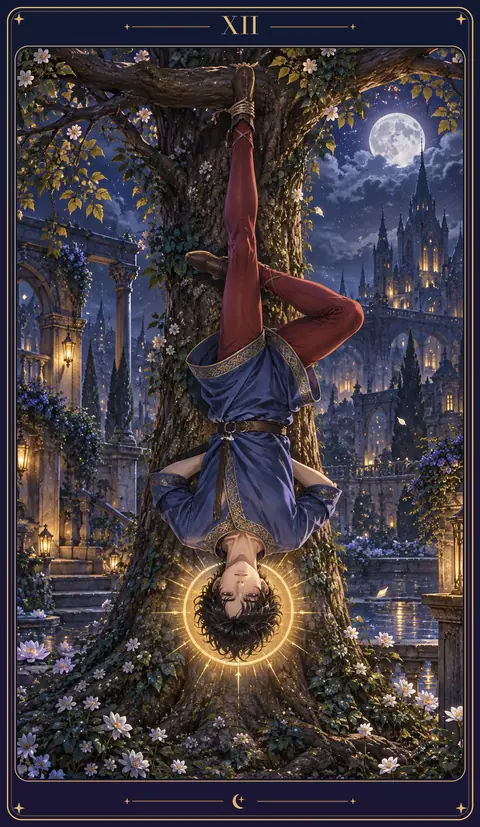
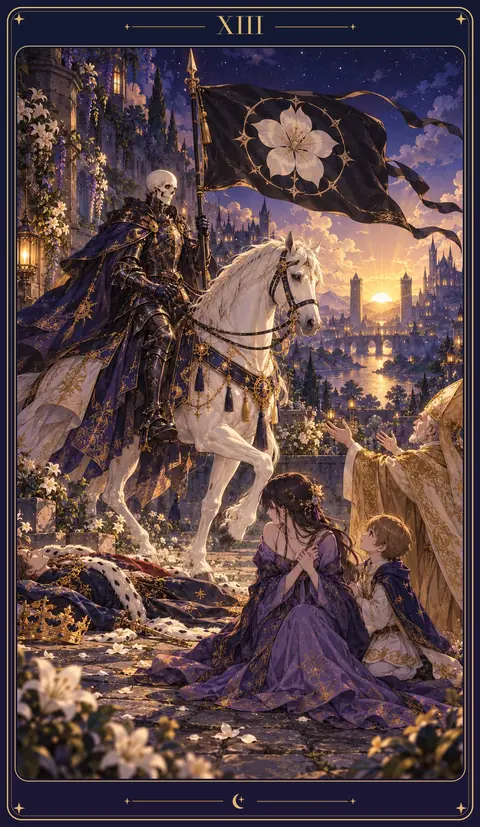
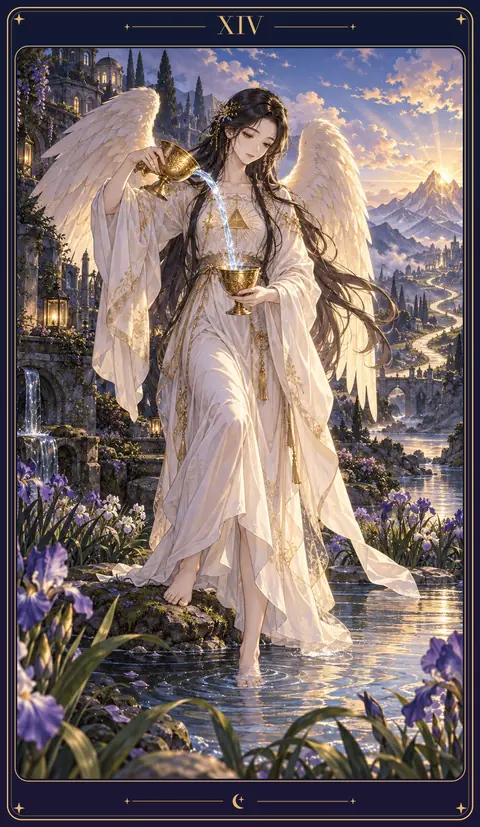
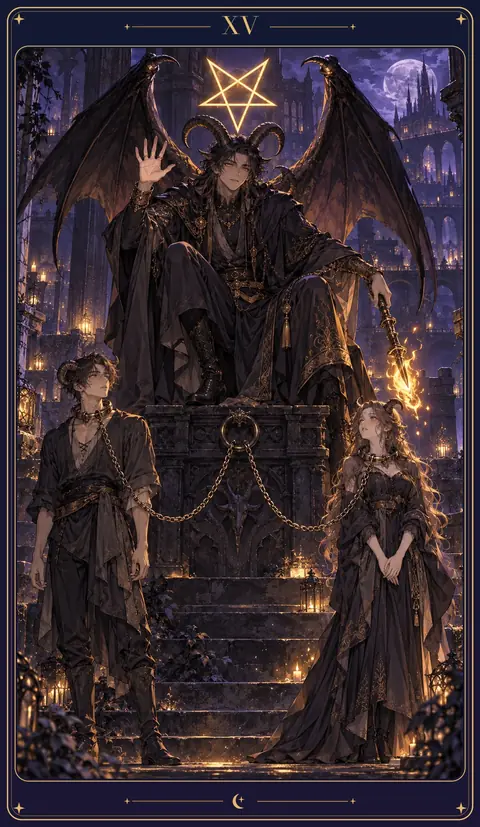
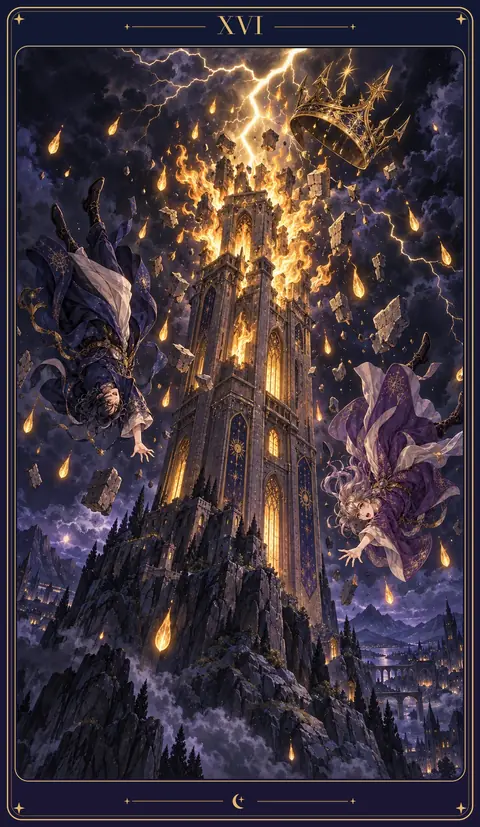
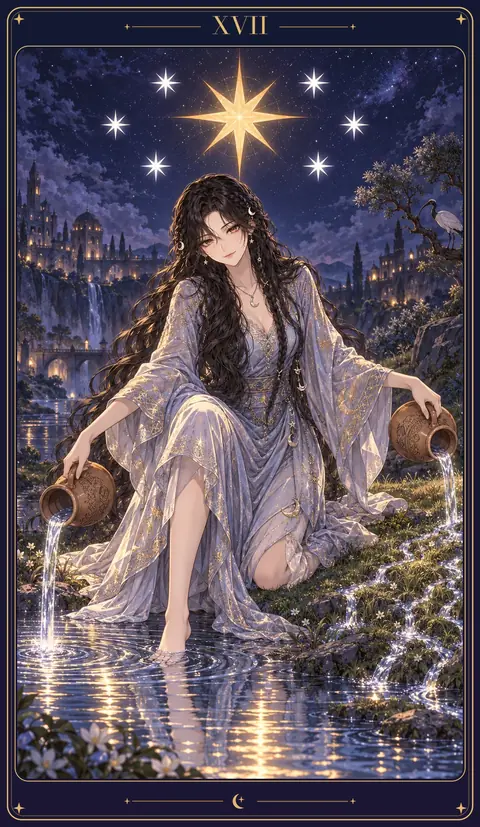
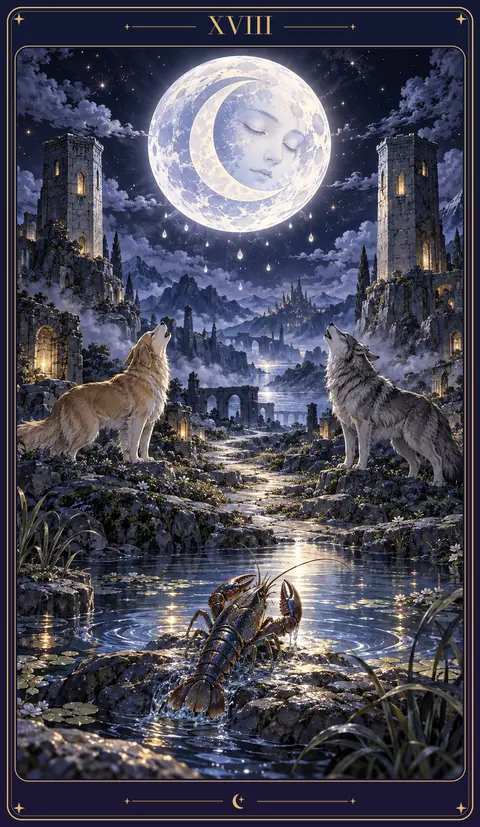
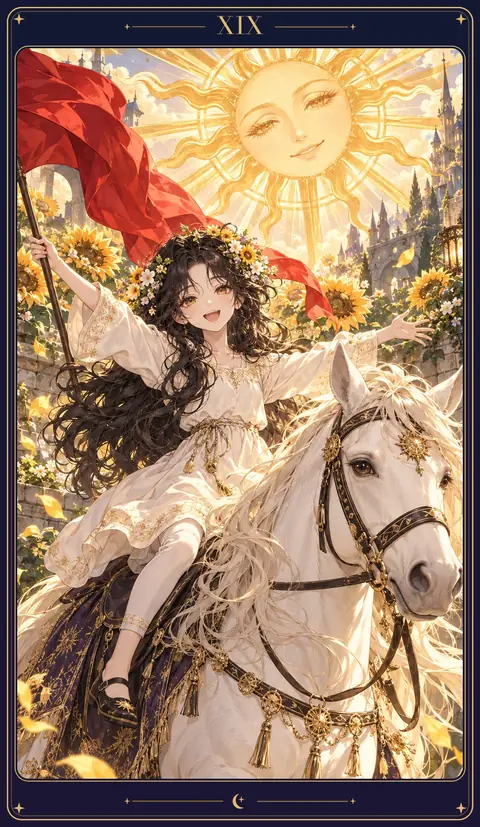
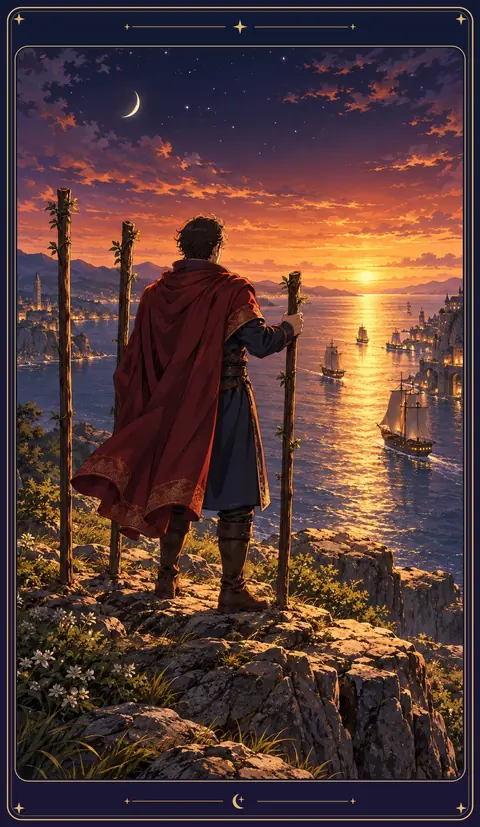
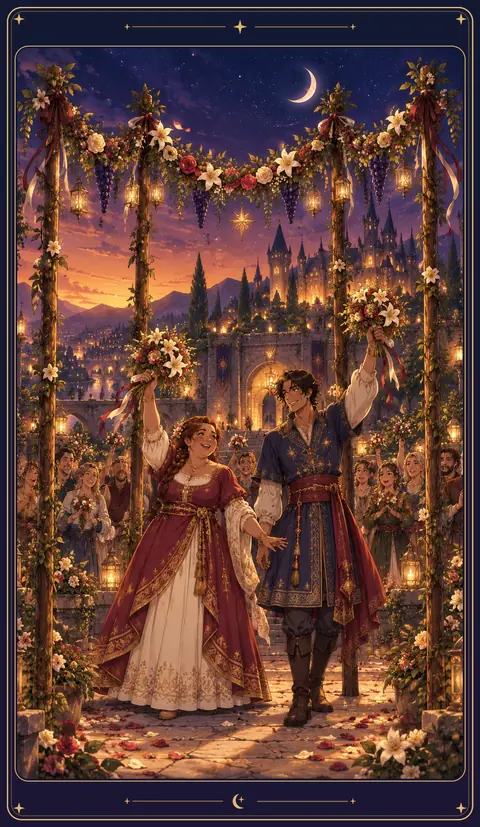
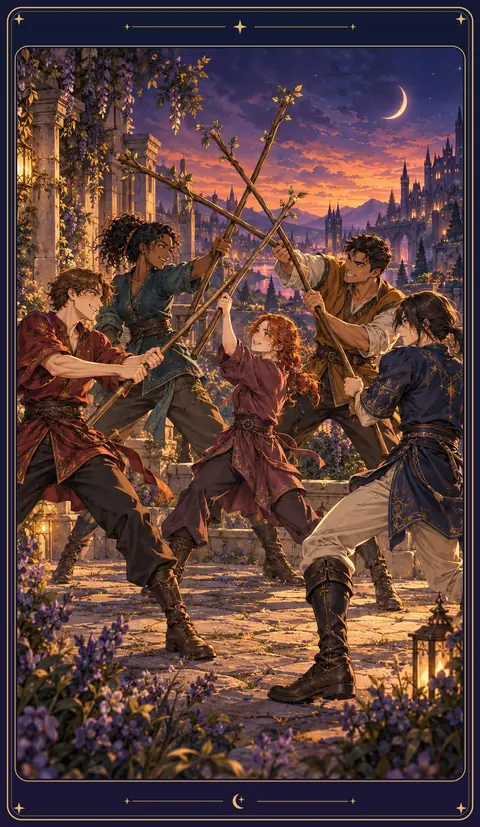
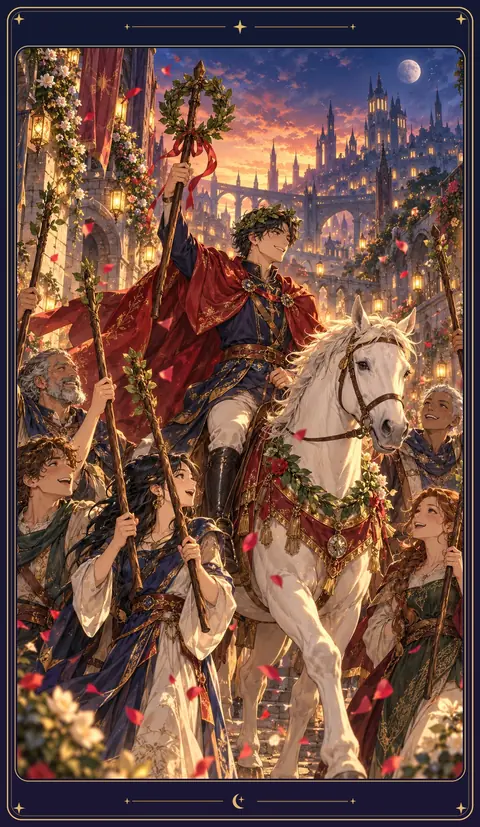
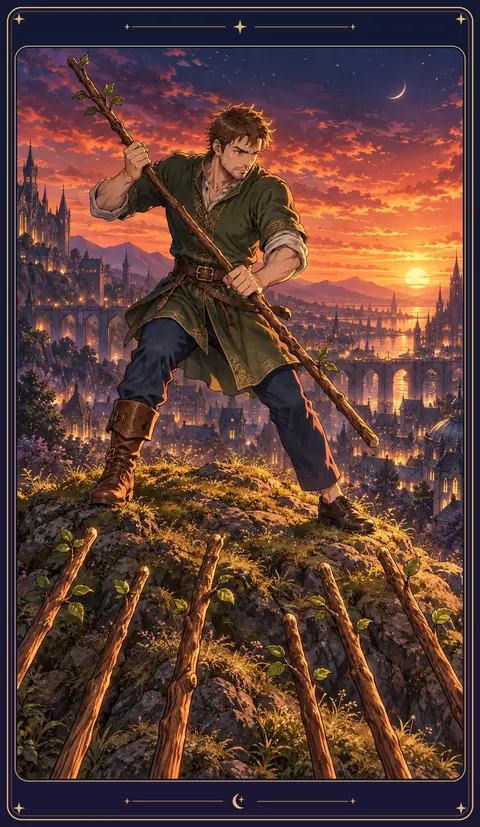
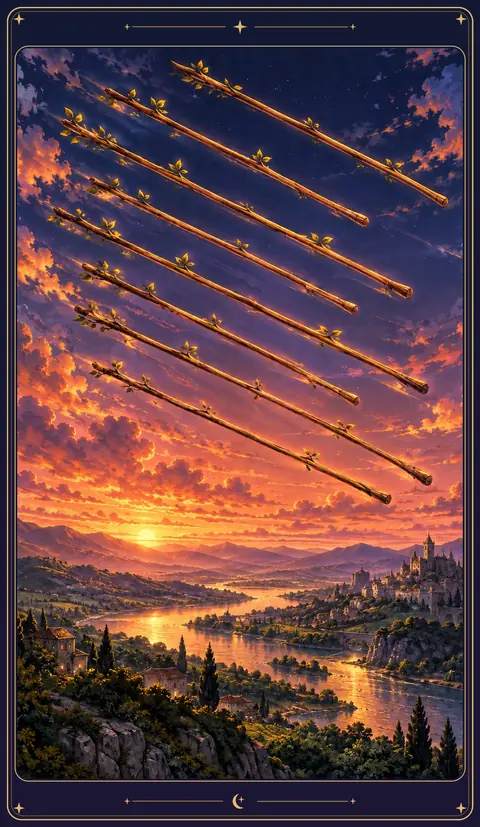
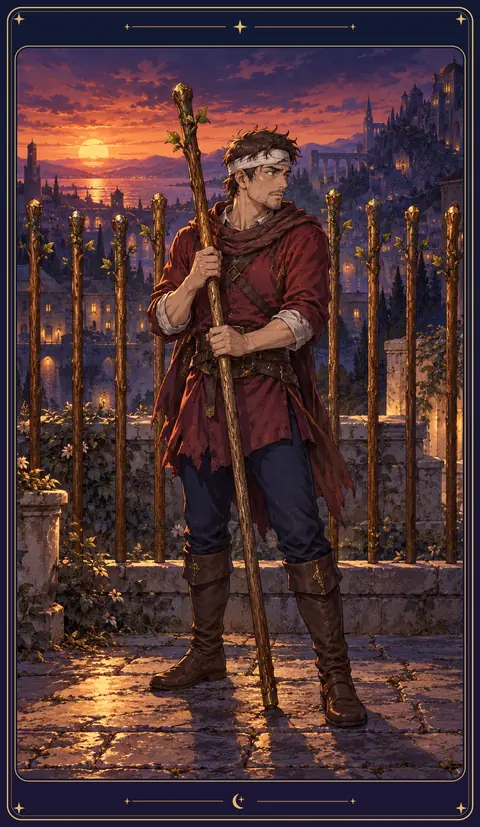
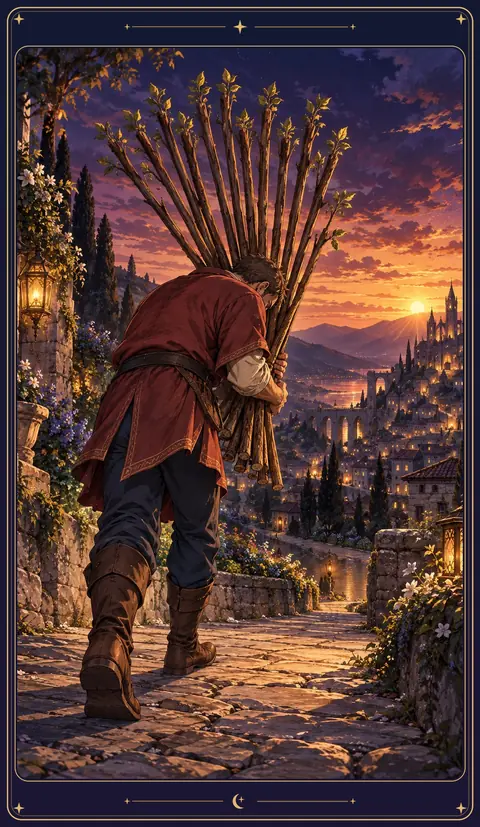
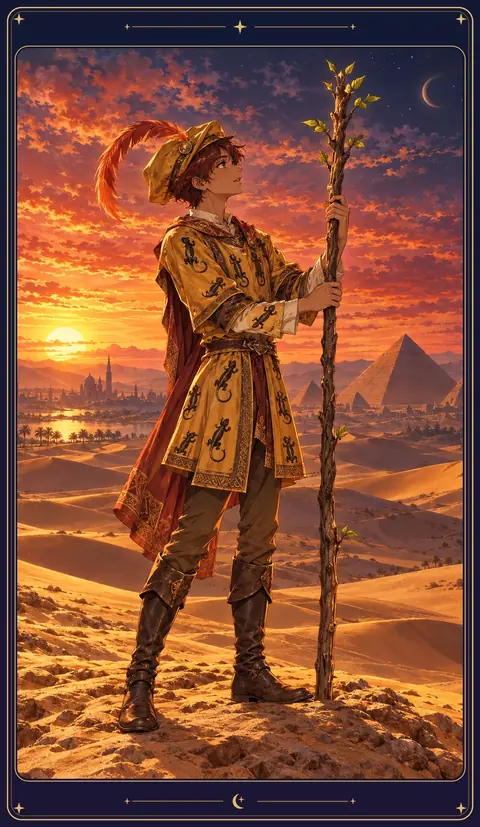
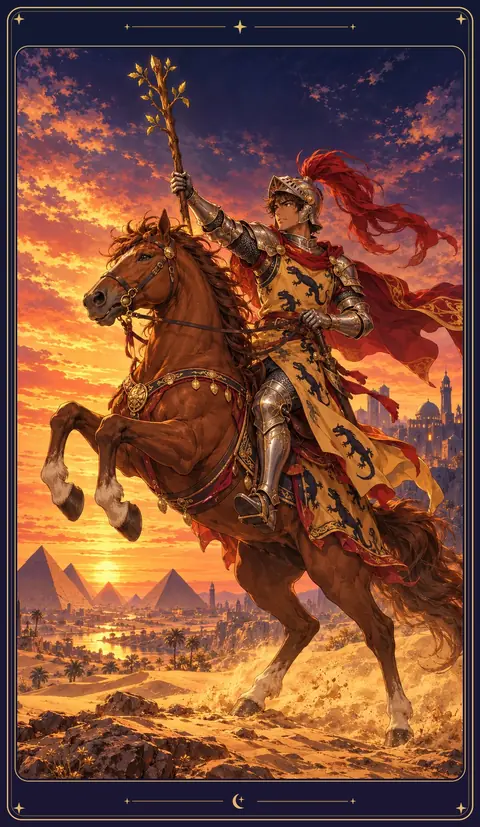
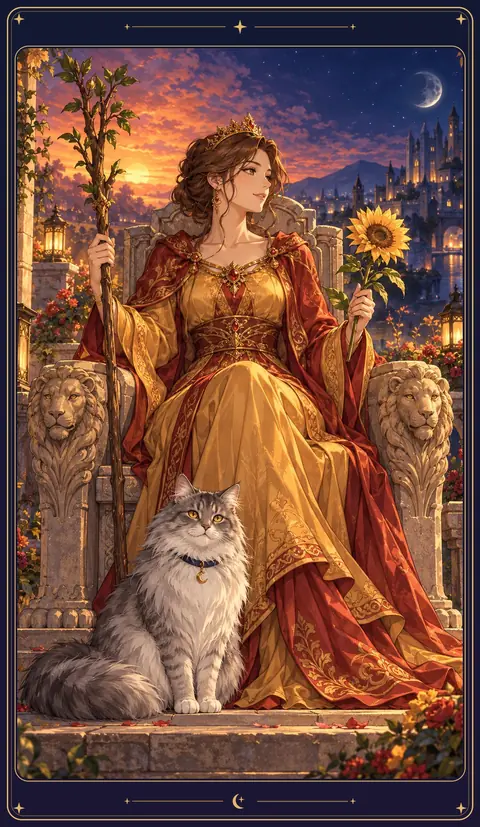
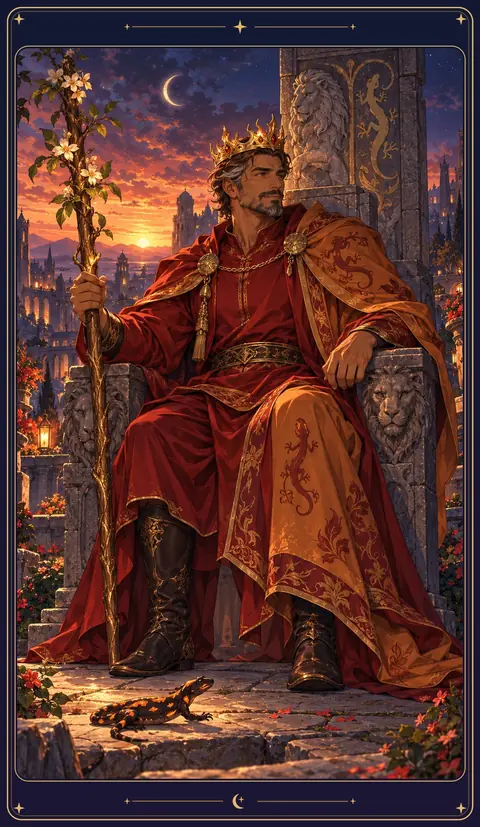
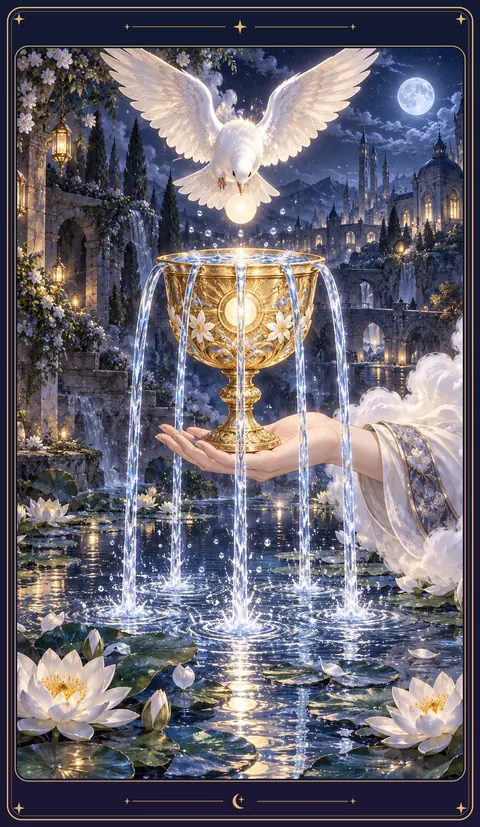
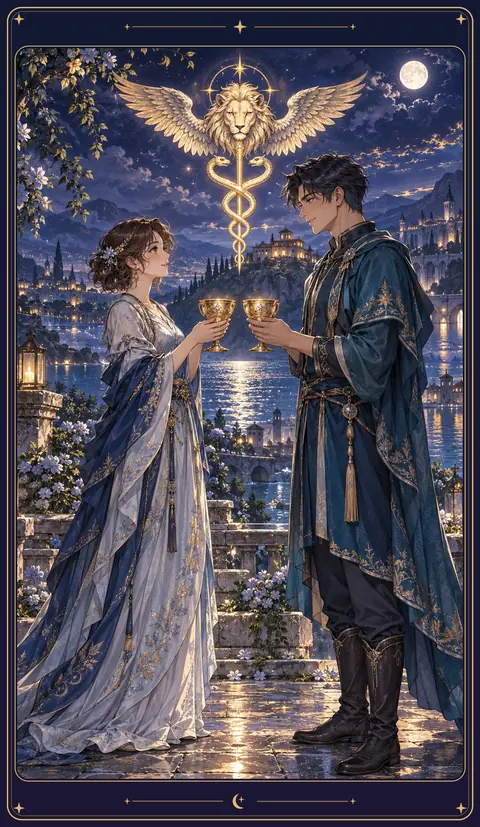
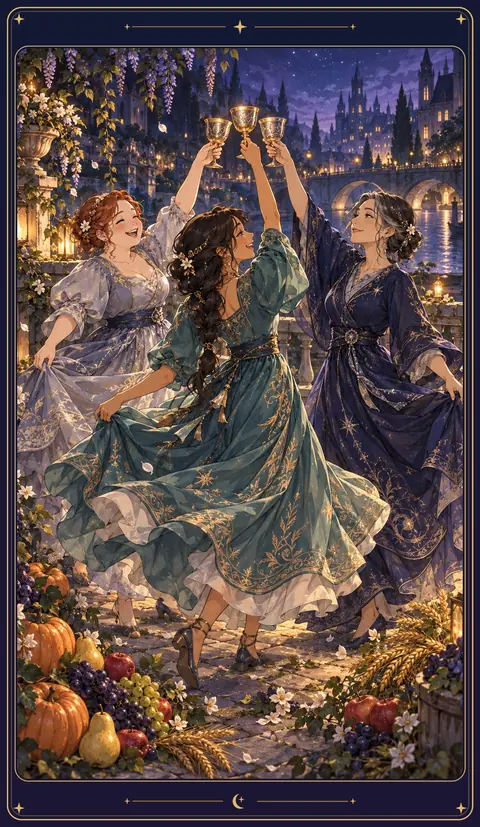
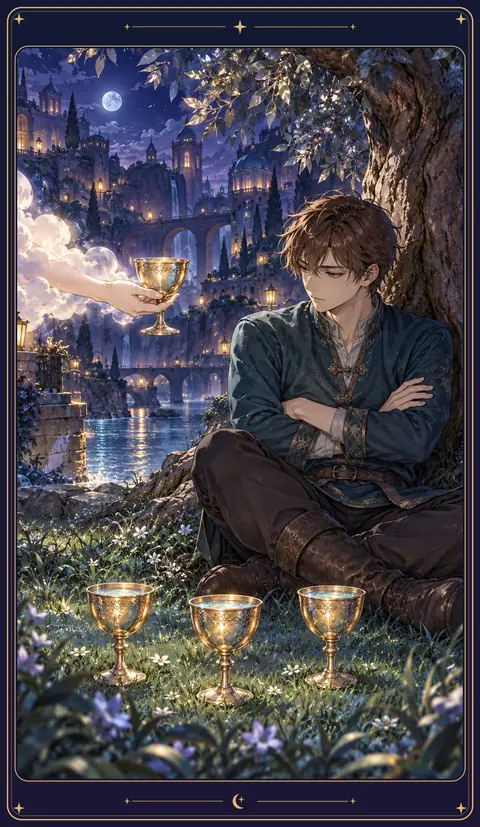
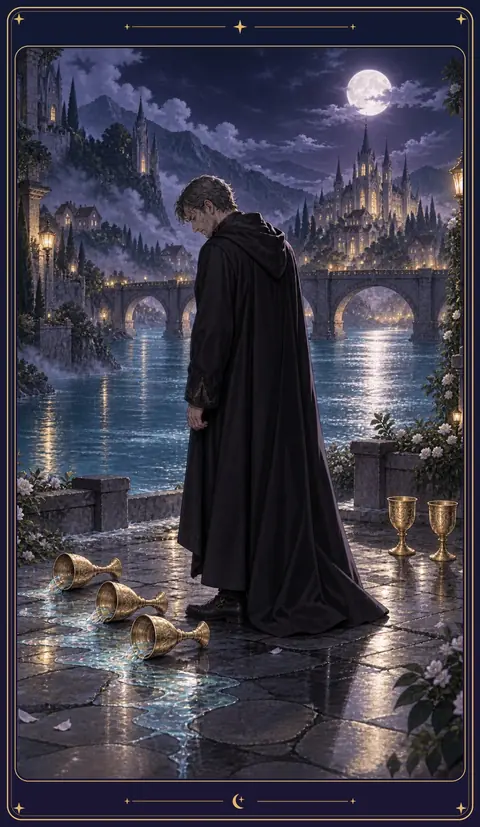
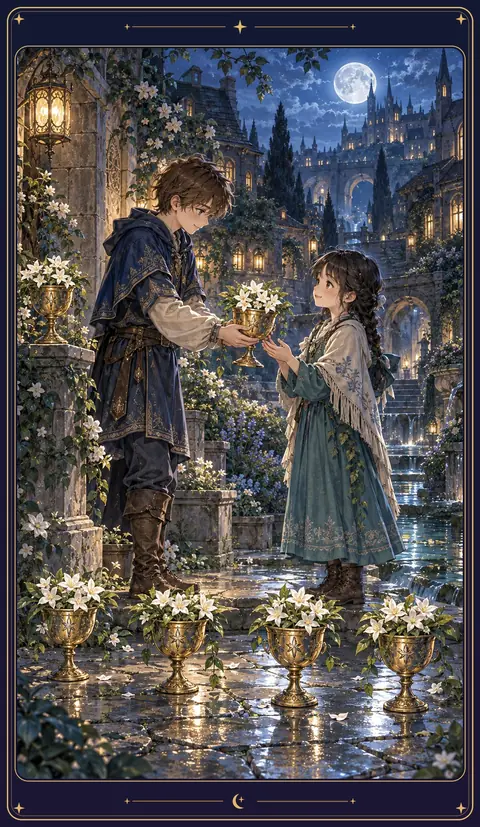
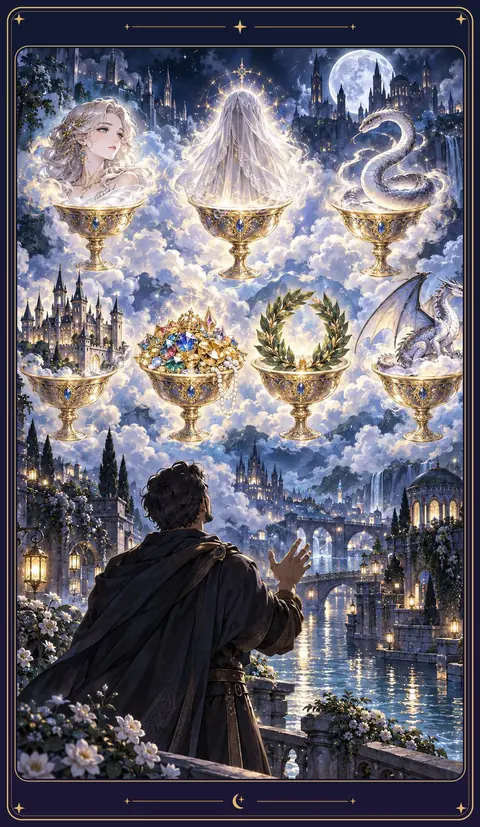
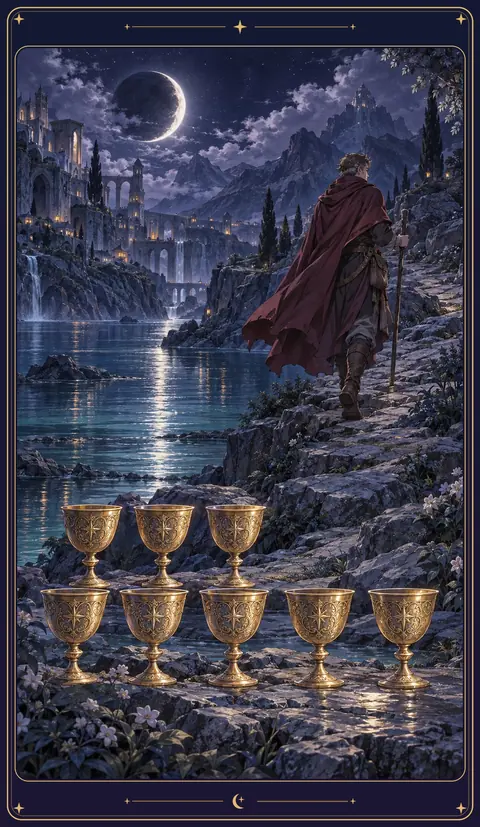
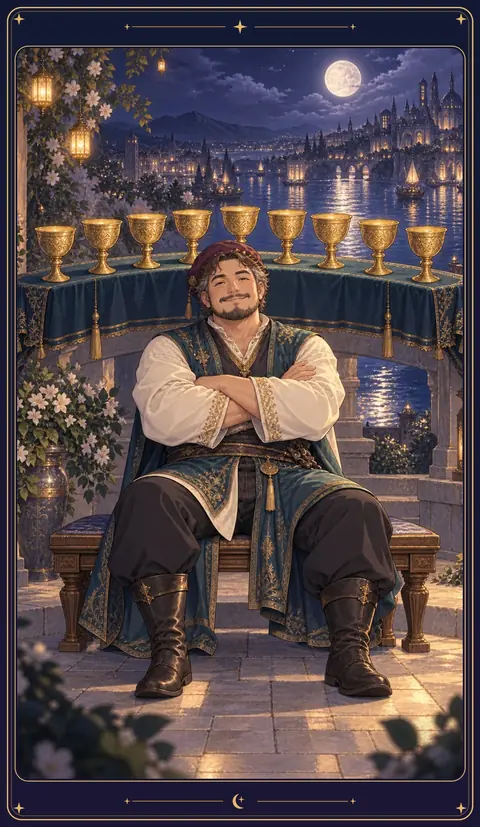
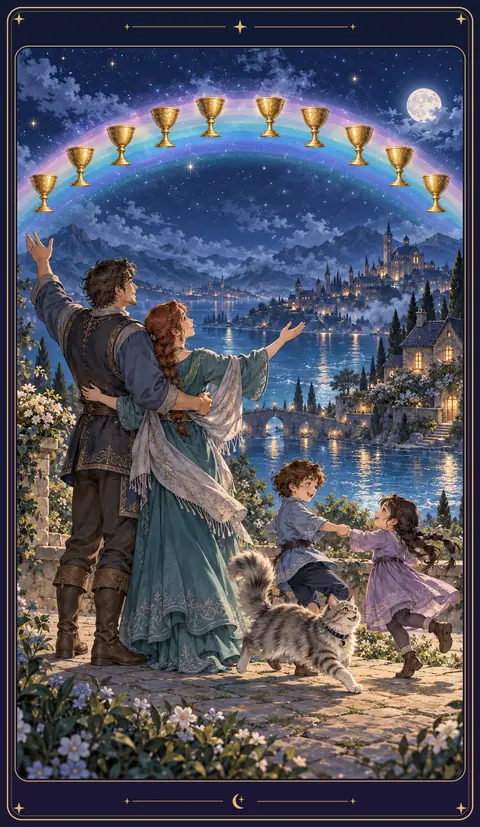
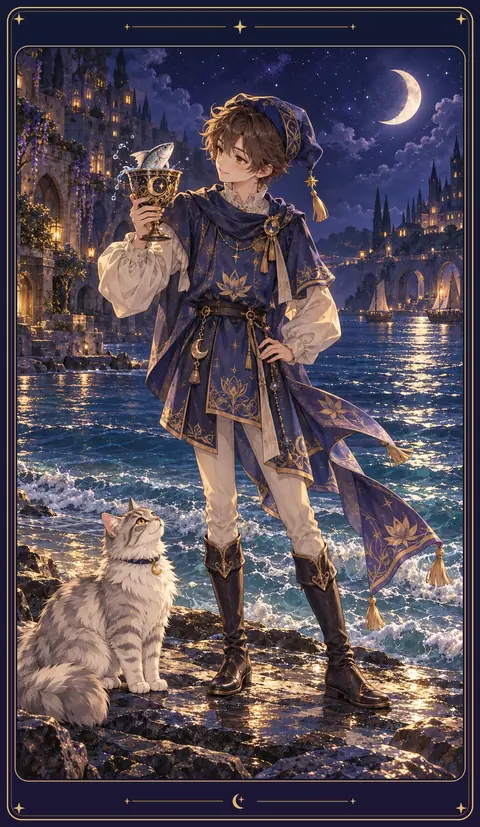
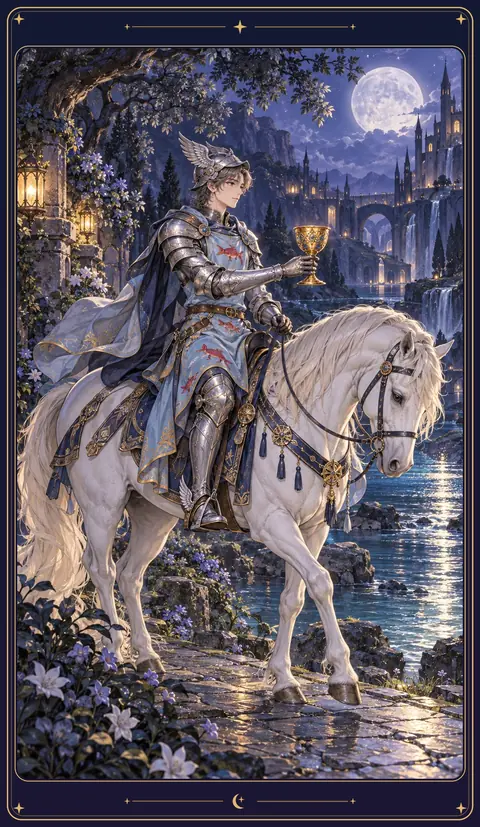
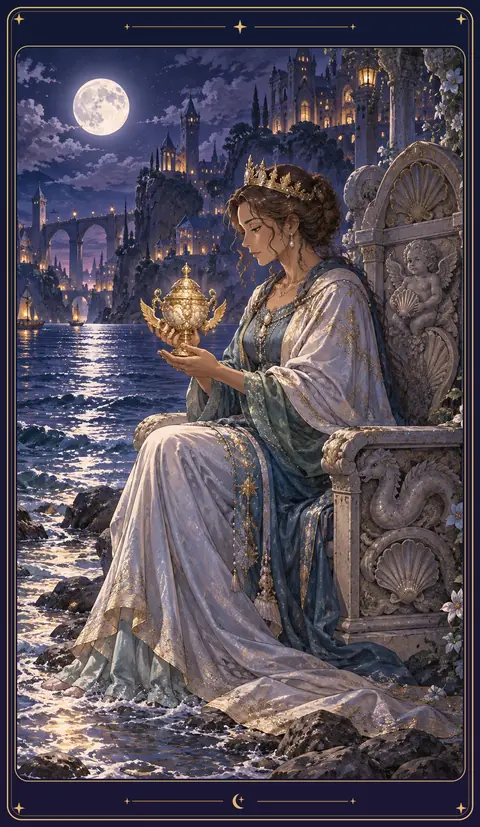
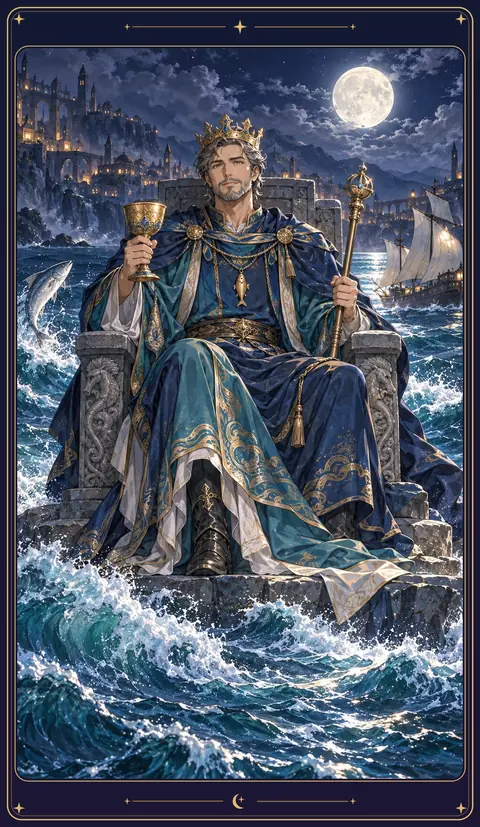
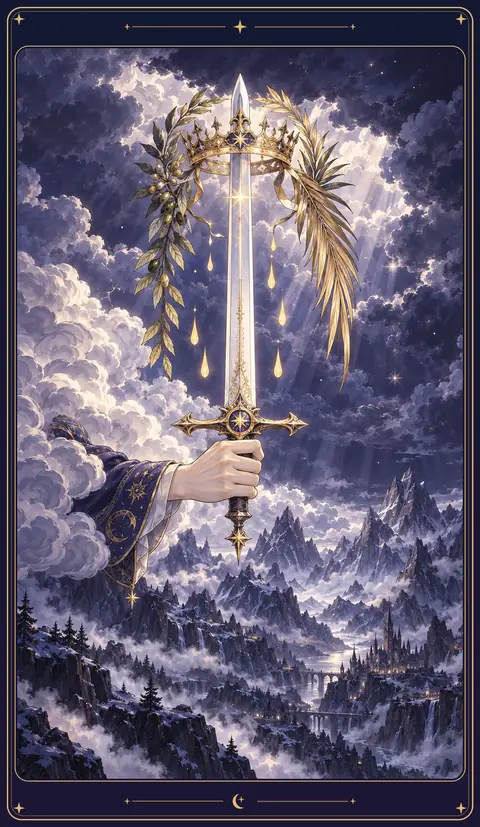
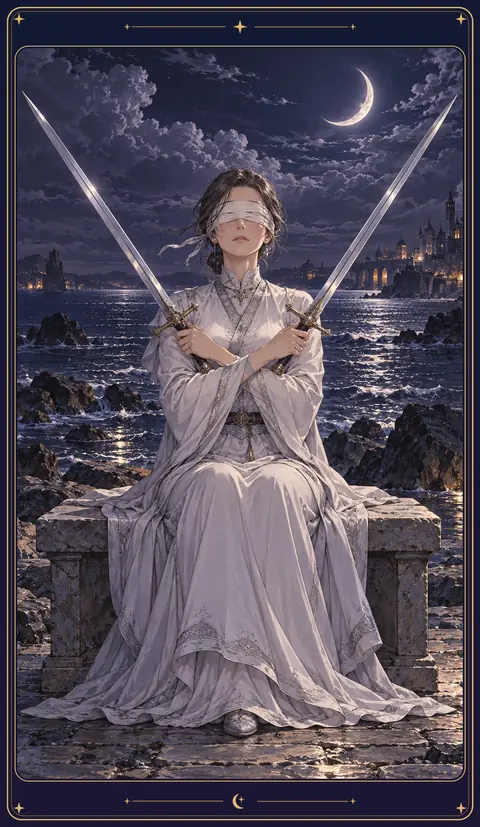
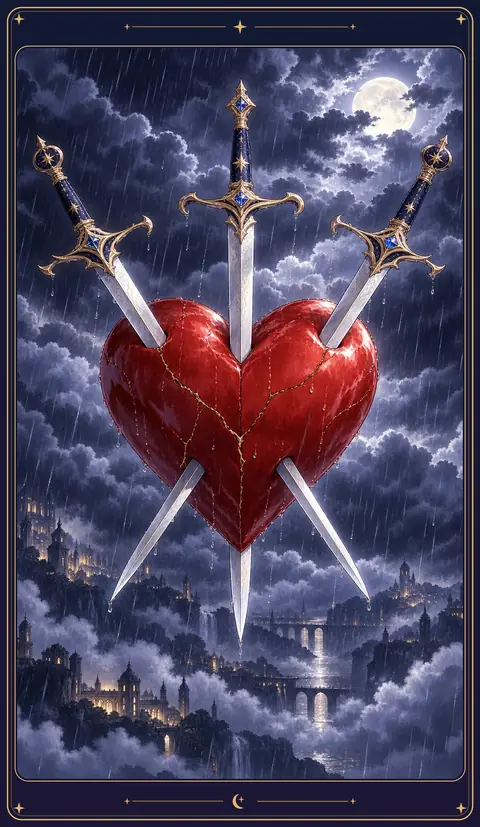
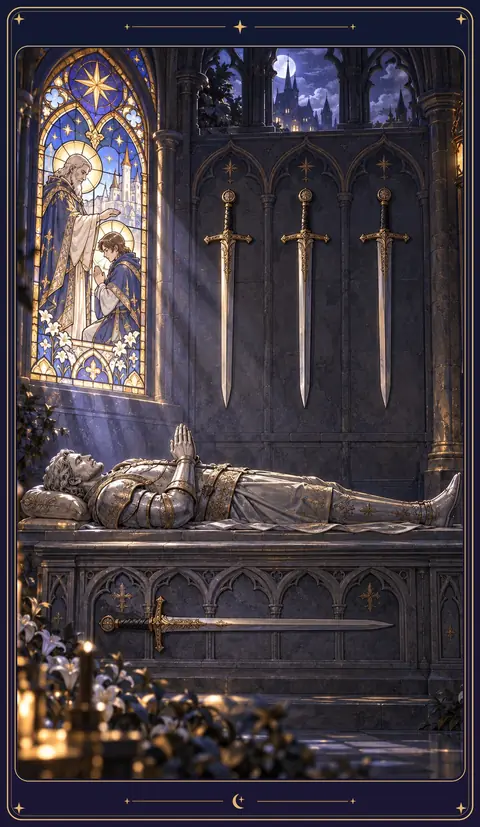
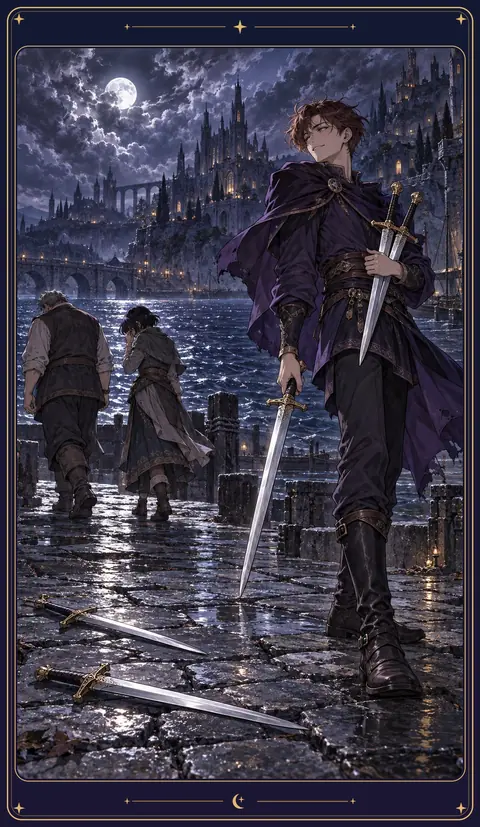
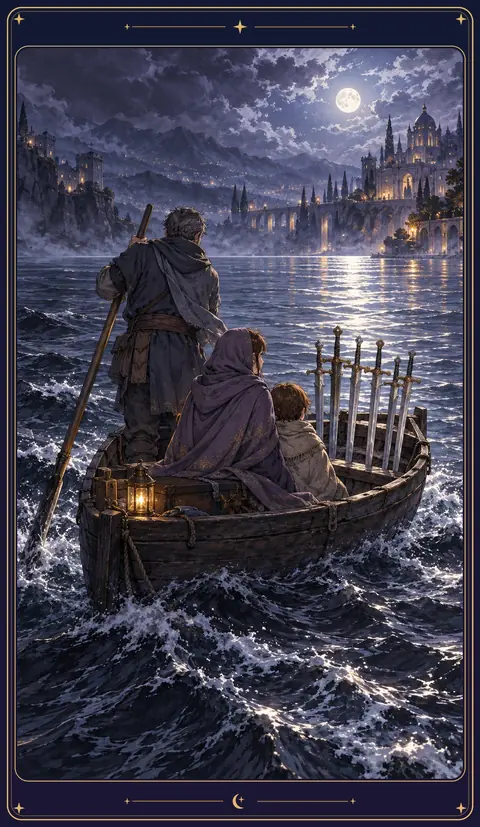
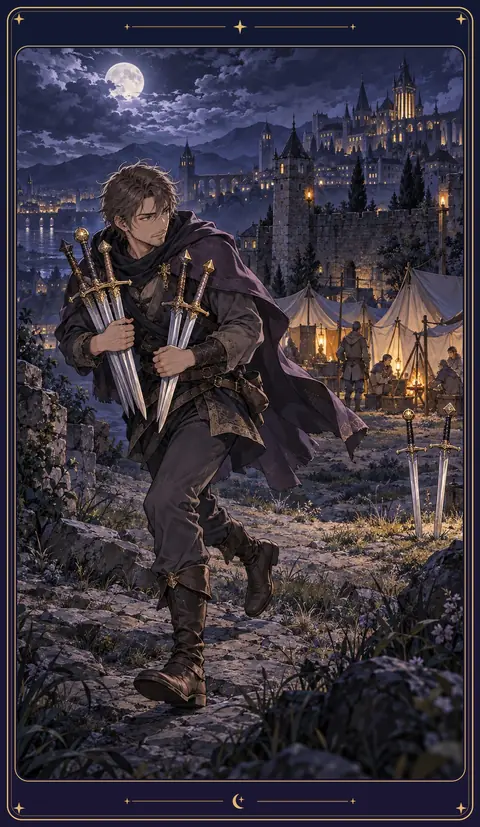
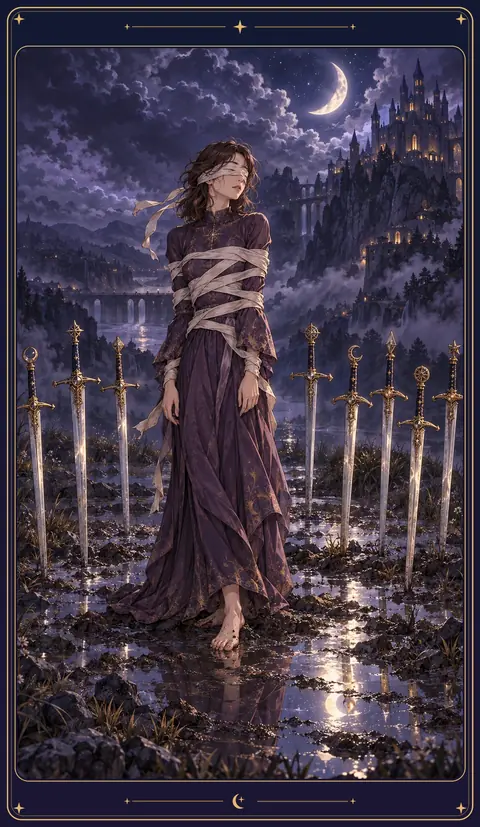
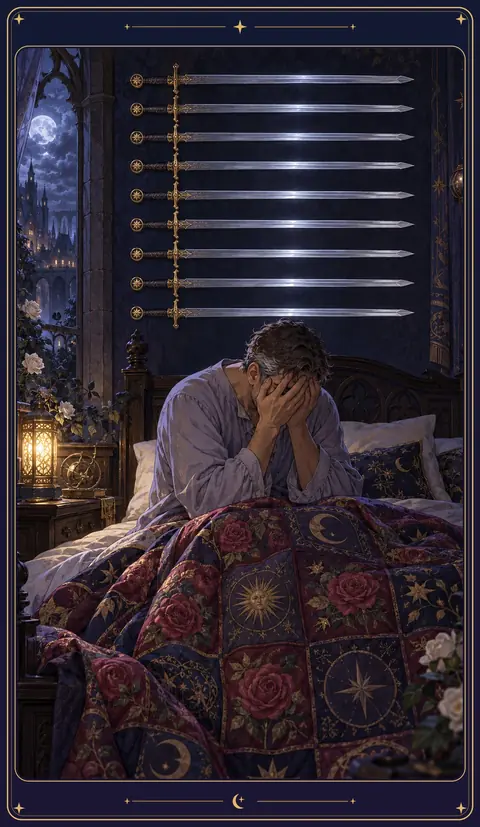
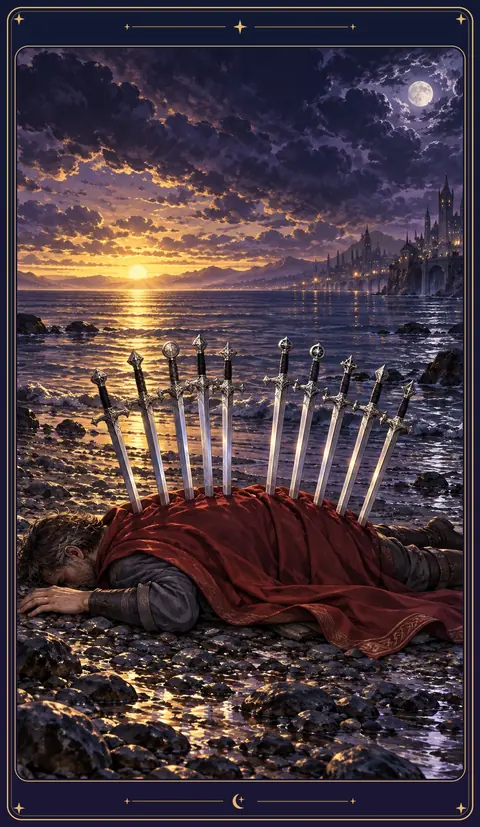
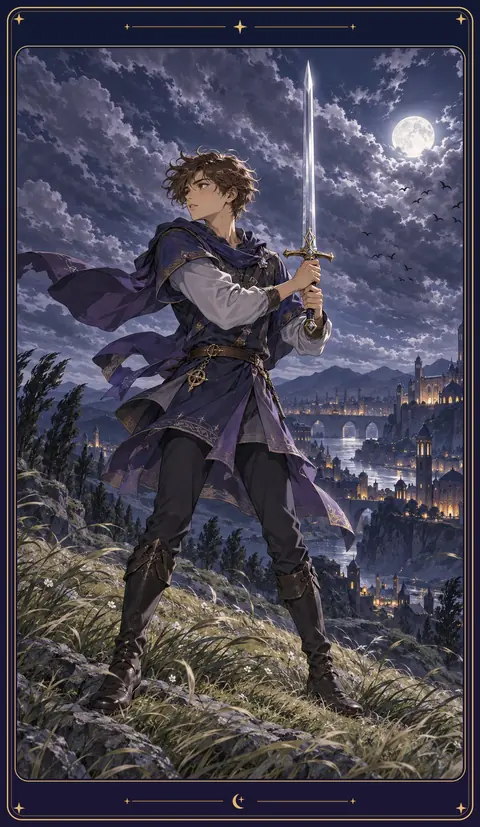
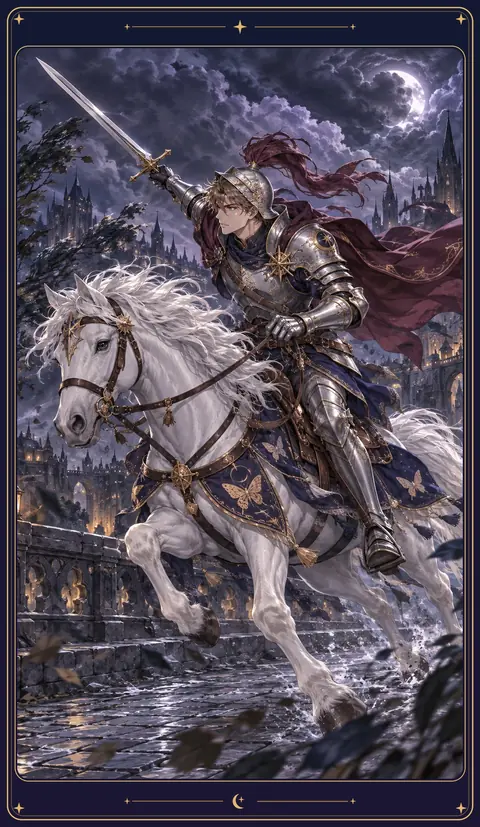
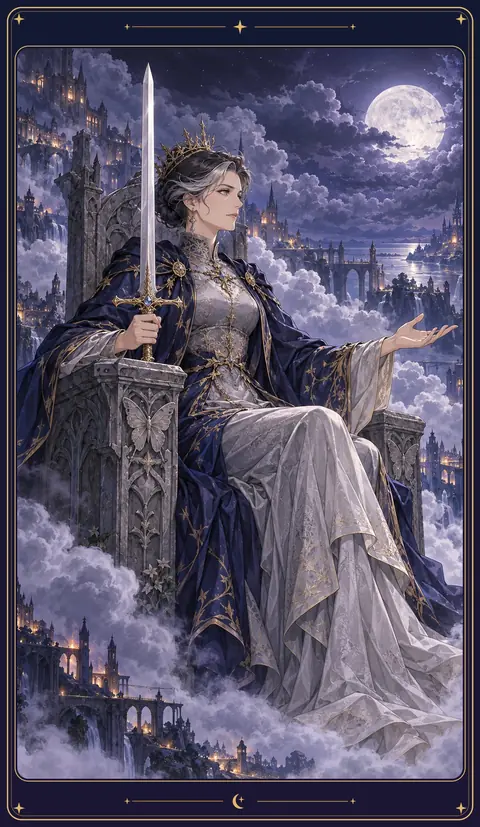
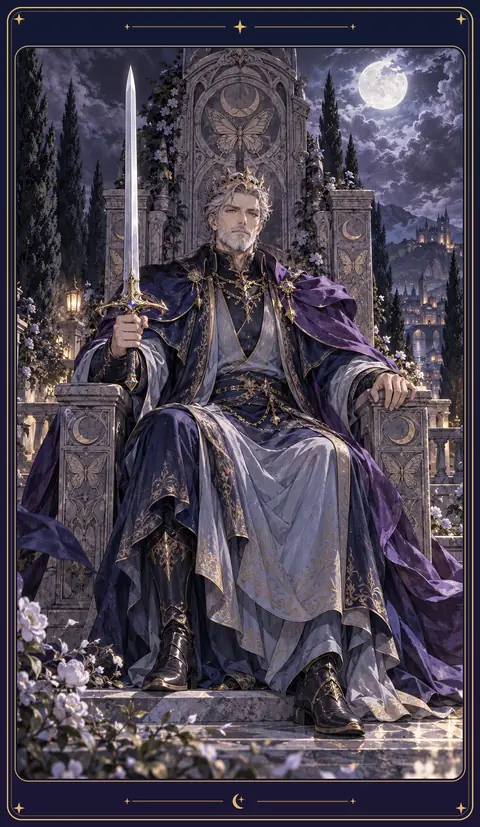
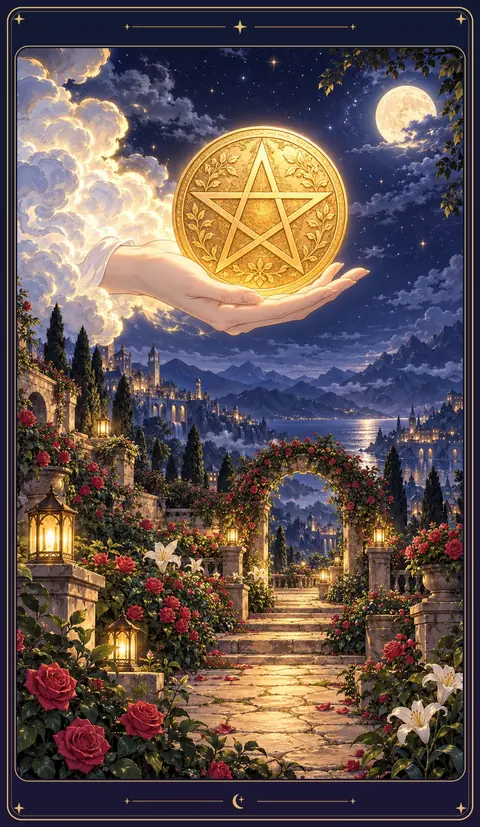
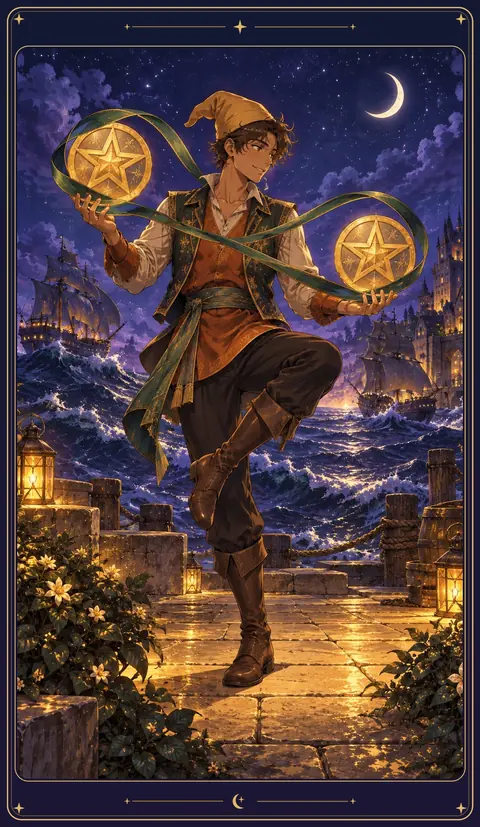
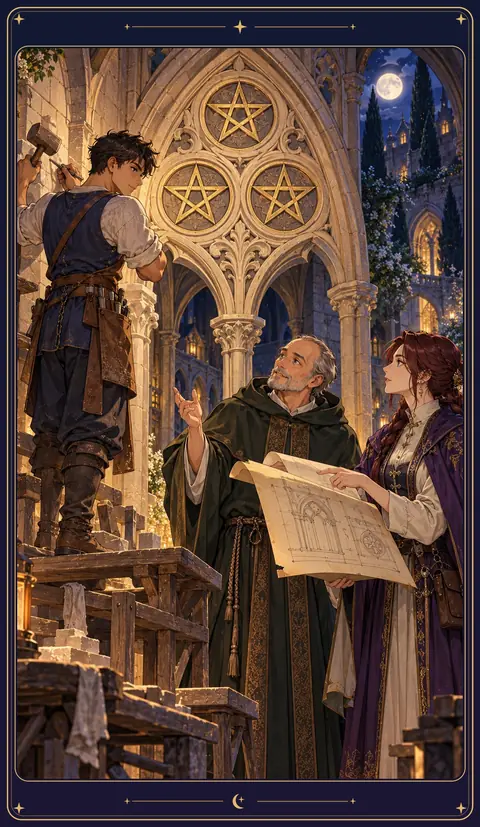
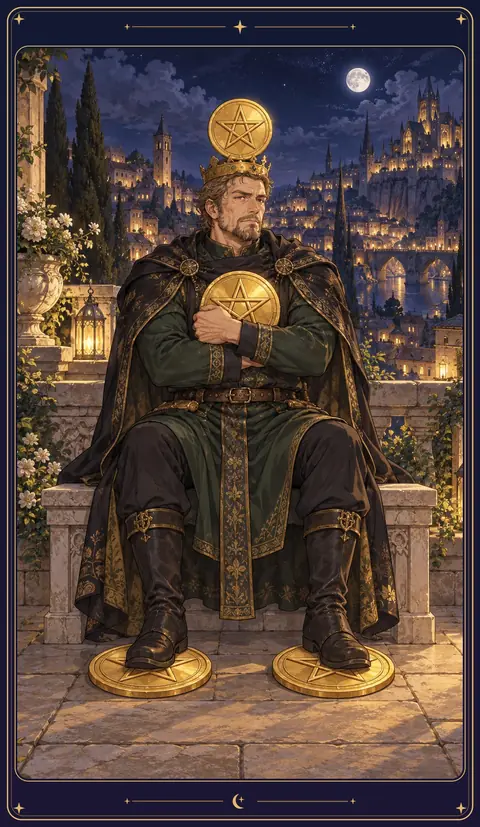
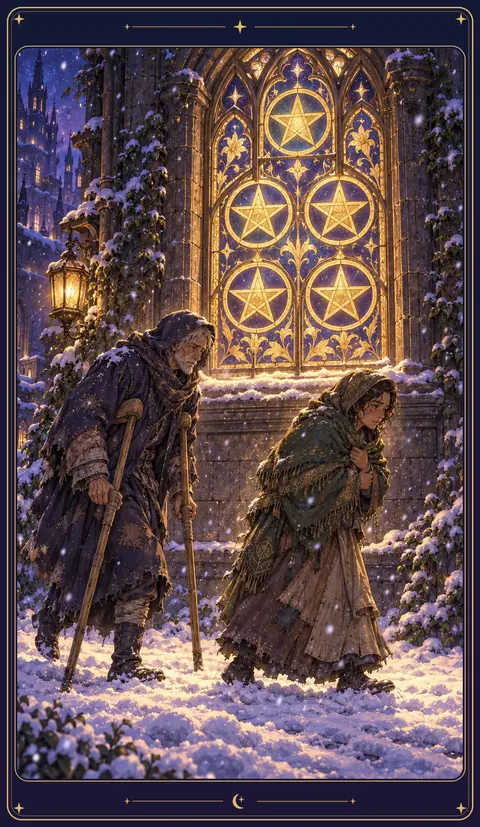
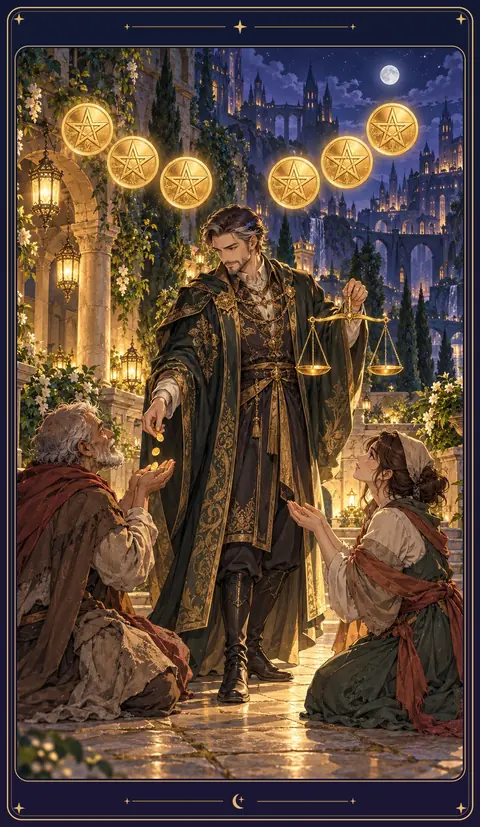
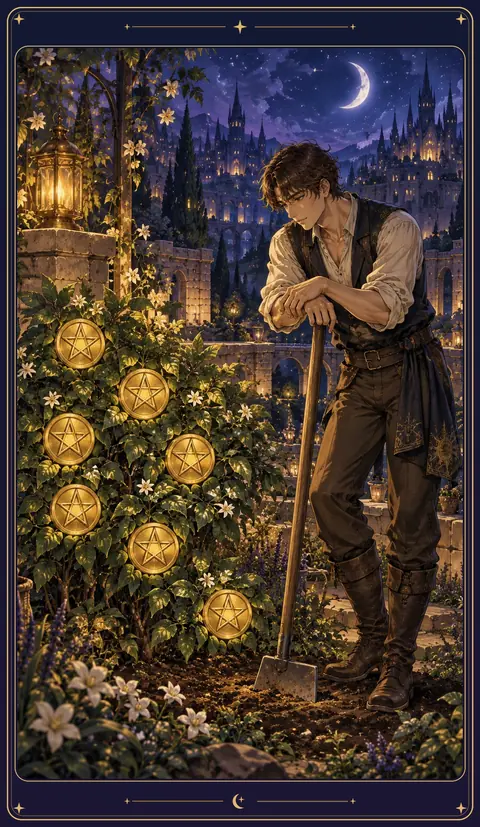
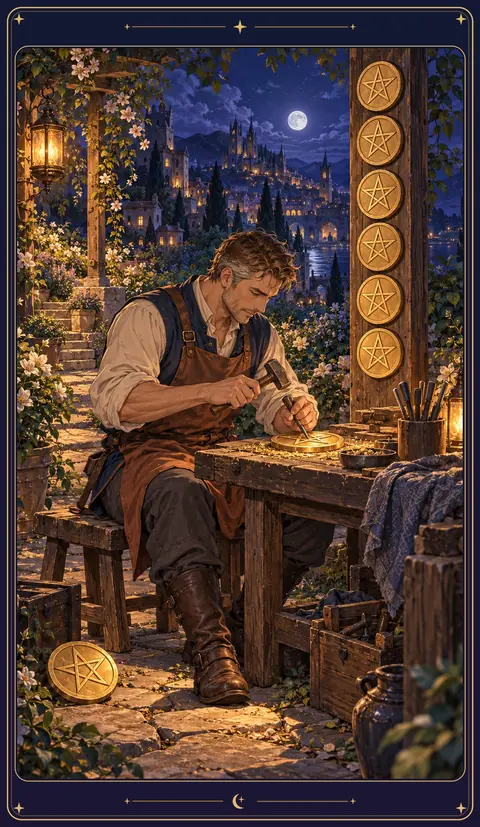
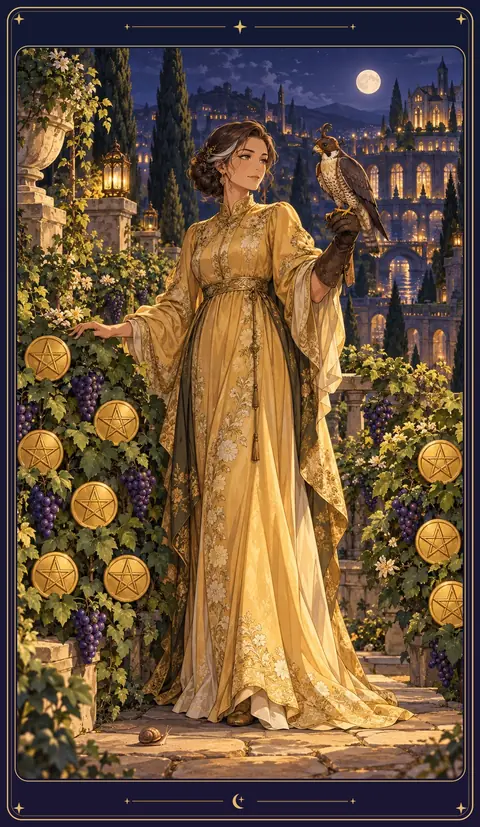
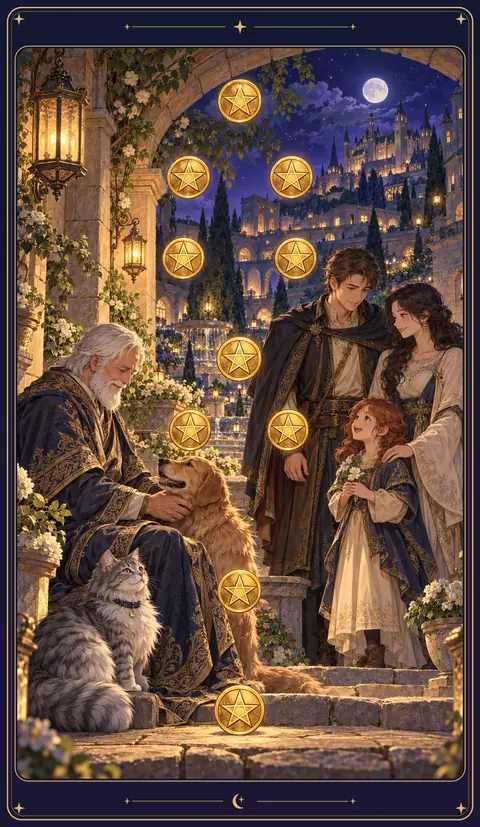
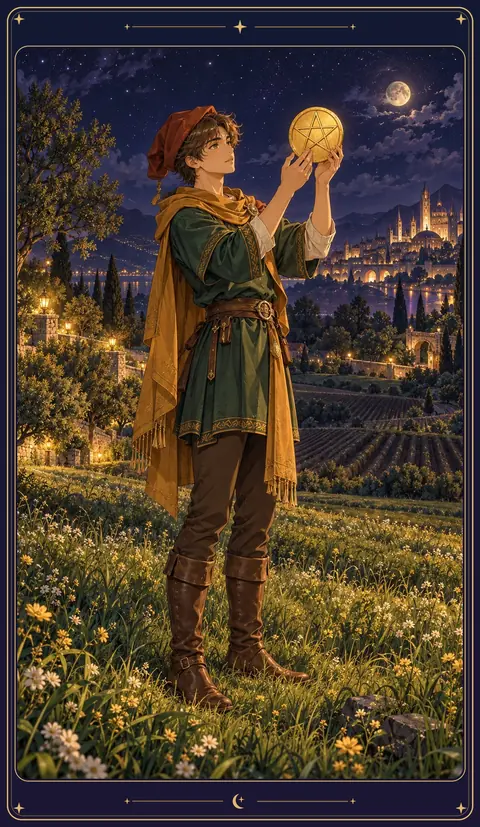
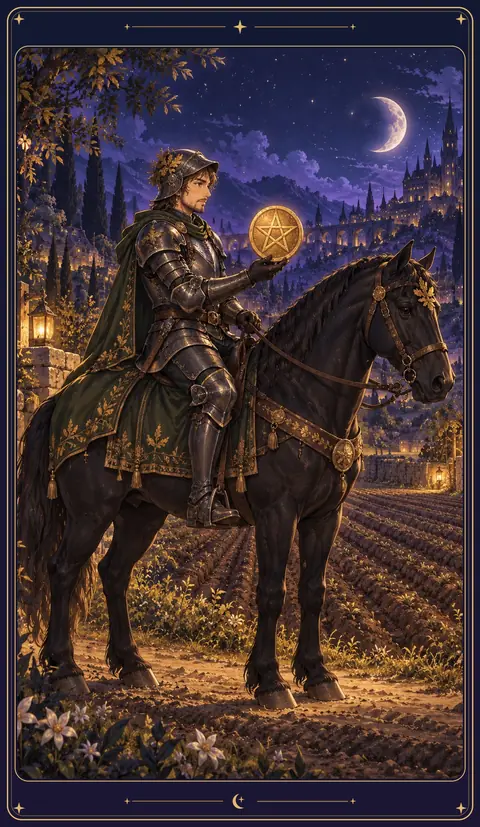
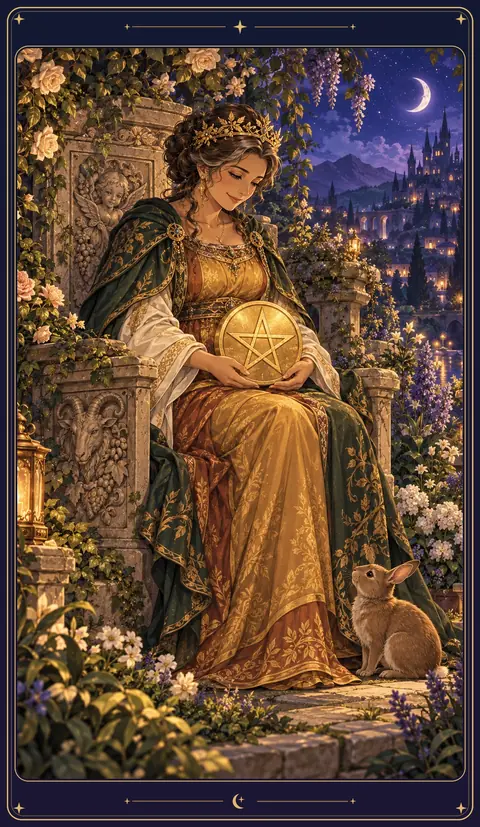
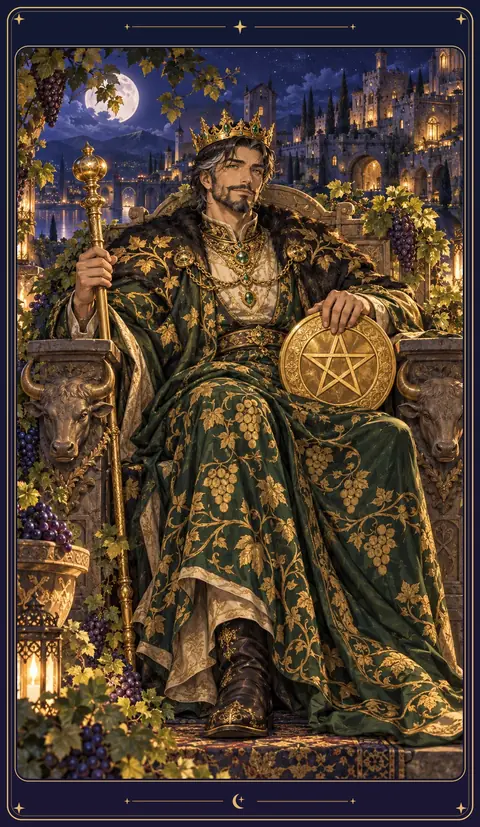
The pictures are from the deck we use in the shop: the classic Rider–Waite–Smith scenes, redrawn in Xuan’s moonlit city. The symbols are the traditional ones, so the meanings work with any standard deck.
Major Arcana
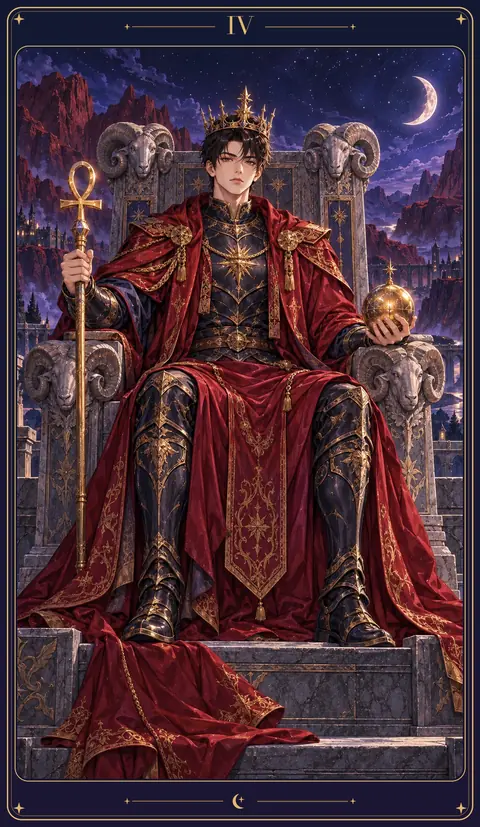
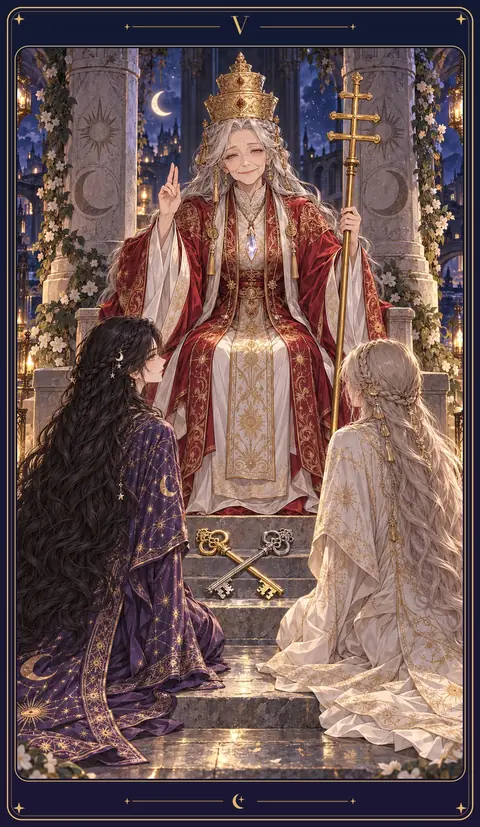
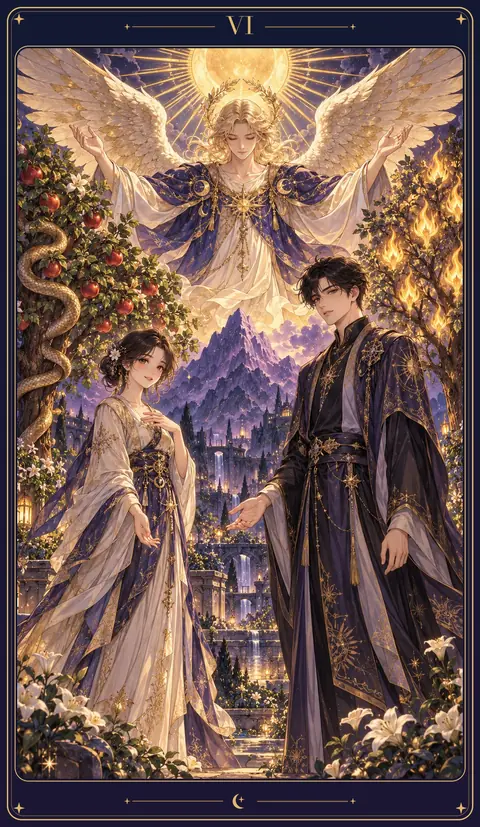
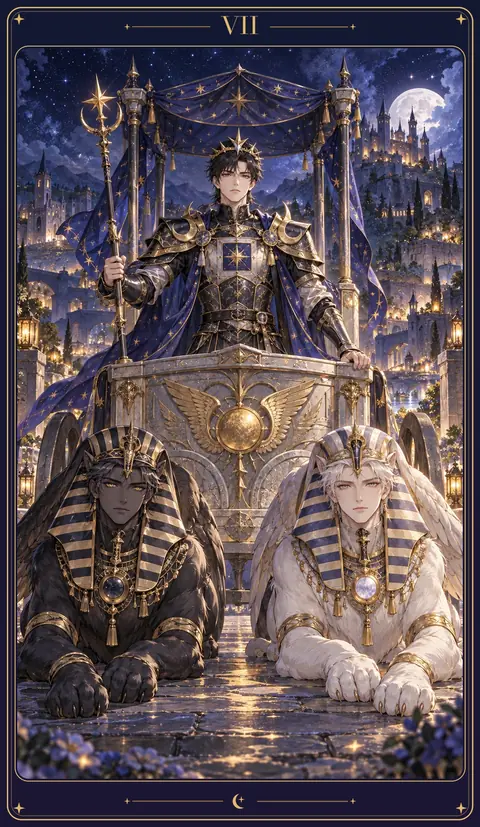
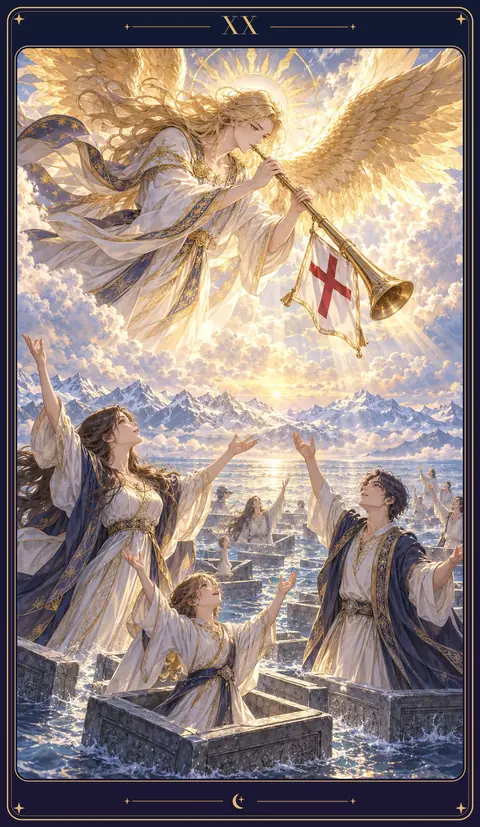
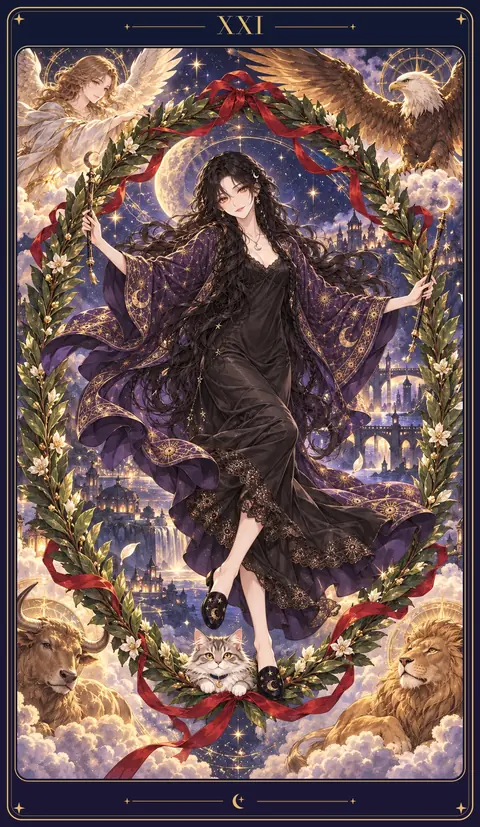
Wands
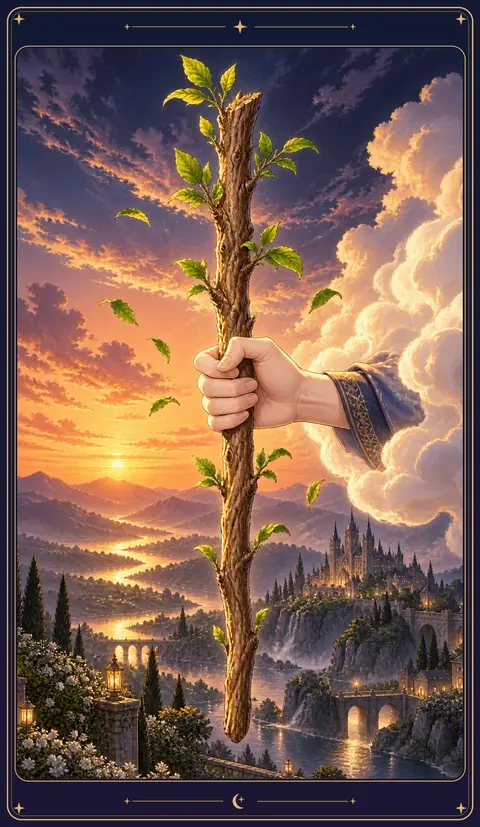
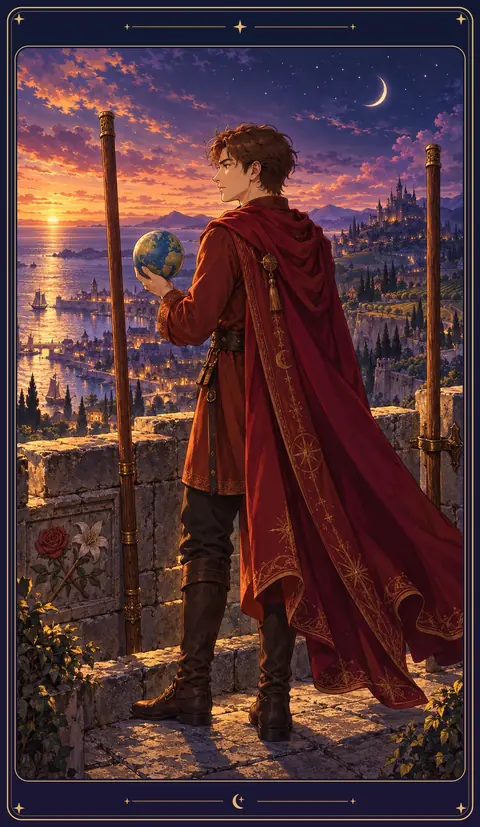
Cups
Swords
Pentacles
How to read a tarot card
Start with the card’s core meaning, then let the question decide which side of it matters. The same card reads differently for “Will we get back together?” and “Should I take this job?”
A reversed card is not automatically bad. Usually it means the card’s energy is blocked, delayed, overdone or turned inward. Read it as “this, but stuck” before you read it as “the opposite”.
The 22 Major Arcana are the big themes of a situation; the 56 Minor Arcana are the everyday details. Wands are drive and action, Cups are feelings and relationships, Swords are thoughts and conflict, Pentacles are money, work and the body.
Tarot card meanings: common questions
How many tarot cards are there?
A standard tarot deck has 78 cards: 22 Major Arcana, from the Fool to the World, and 56 Minor Arcana in four suits of 14 — Wands, Cups, Swords and Pentacles — each running Ace to Ten plus Page, Knight, Queen and King.
Do reversed tarot cards mean the opposite?
Rarely the full opposite. A reversed card usually shows the same theme blocked, delayed, excessive or kept inside. Some readers skip reversals entirely; if you use them, read the upright meaning first and ask what is getting in its way.
Which tarot cards mean yes?
Cards with open, growing energy lean yes: the Sun, the Star, the World, the Magician and most Aces, for example. Cards like the Tower, the Devil, Five of Cups or Ten of Swords lean no, and quiet cards such as the High Priestess or the Hanged Man say “not yet”.
Do the meanings change with a different deck?
Most modern decks follow the Rider–Waite–Smith system, so the core meanings carry over. Art changes the mood and the details you notice, which is why each page also describes how our deck draws the card.